
UK Energy Price Cap July 2026: What Solar, EV and Heat-Pump Homes Should Check Now
Ofgem’s energy price cap rose by 13% for the period from 1 July to 30 September 2026, taking the typical annualised dual-fuel reference figure to £1,862. That number is not a maximum bill. A household pays for the energy it uses, and homes with solar, batteries, EVs or heat pumps need to examine import timing, export payments and specialist tariffs rather than comparing the headline alone.
The July change was especially noticeable because gas prices rose more sharply than electricity in the capped unit-rate illustration. At the same time, households with electric vehicles, batteries and heat pumps had a growing range of time-based tariffs that could produce very different results from a standard variable plan.
This is not a reason to switch blindly. The cheapest-looking window can be outweighed by a high peak rate, an export condition or a routine that keeps most consumption in expensive hours. The sensible response is a short household audit using real meter data.
First, understand what the price cap does
The cap limits the rates a supplier can charge customers on covered default tariffs. It does not cap the total amount on the bill. The £1,862 figure is based on Ofgem’s typical-use assumptions and direct-debit payment. A larger home, an EV, electric heating or more people at home can push annual costs higher. A smaller or more efficient household may use less.
Unit rates and standing charges also vary by region and payment method. Use the rates printed on the supplier statement or tariff information, not a national headline, when estimating the effect on your home.
Check 1: compare annual use, not only annual cost
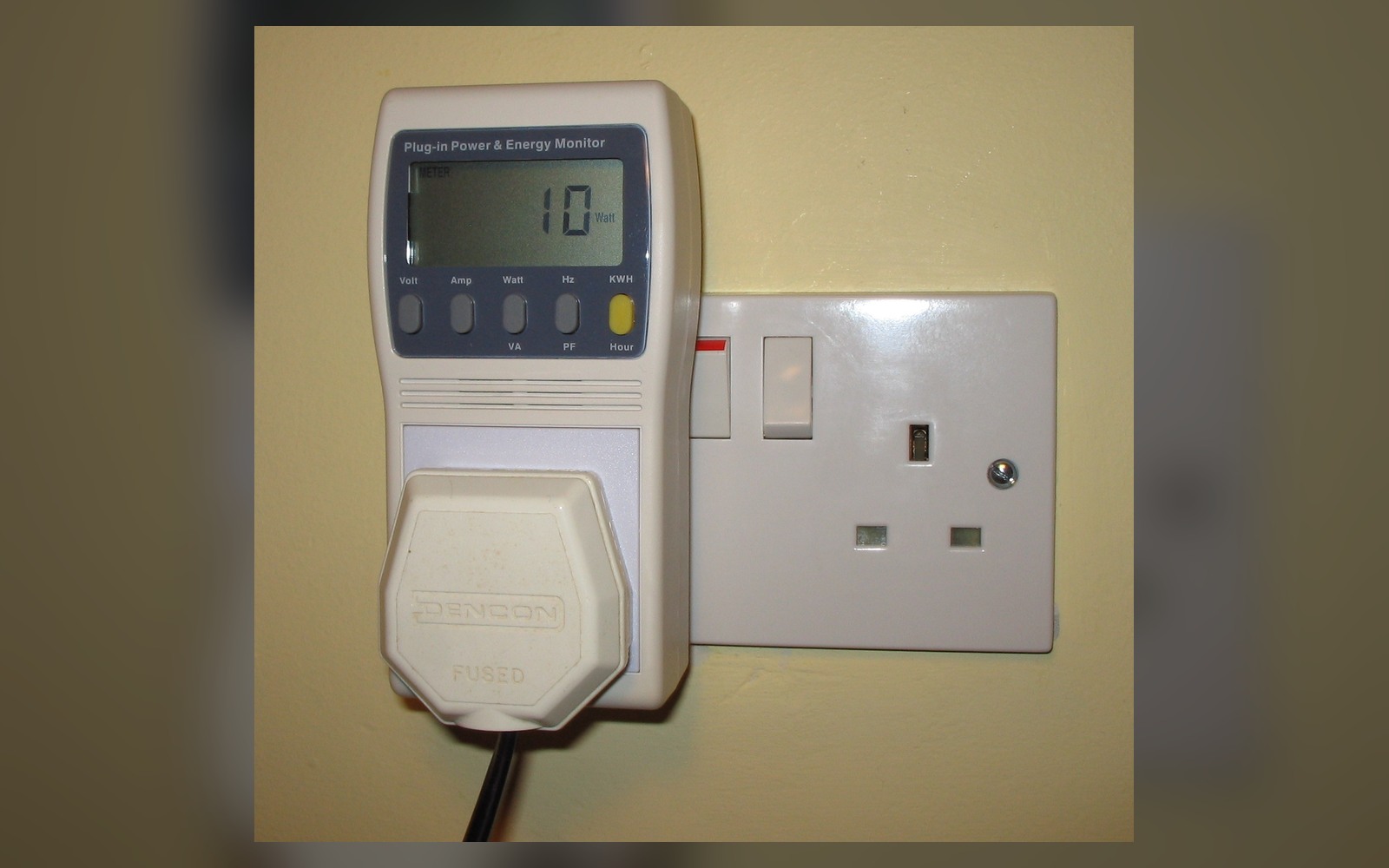
Find the last twelve months of electricity and gas consumption in kWh. Cost alone mixes together changing prices and changing use. If the household added an EV, heat pump, home office or another resident, the historical cost may no longer describe the present home.
Separate electricity imported from the grid, solar generation and exported electricity. A solar app may report generation while the supplier records only import and export. Self-consumed solar is the difference between what the panels produced and what was exported, adjusted for any battery flows.
Check 2: identify the home’s flexible loads
A flexible load can move to another hour without losing its purpose. EV charging, a dishwasher, laundry, battery charging and some water-heating or heat-pump operation can often be shifted. Cooking at dinner time is less flexible, and comfort or health needs should not be compromised to chase a tariff.
List the kWh that can realistically move. A tariff with a very cheap overnight rate is valuable only if enough consumption reaches that window.
Check 3: model the expensive hours
Time-of-use tariffs frequently recover the cheap period through a higher price at another time. Download half-hourly data where available and count how much electricity the household currently uses in the peak window. Include dinner, heating, hot water, tumble drying and any EV charging that starts immediately after arrival.
Run two calculations: the current routine under the proposed tariff, and a realistic shifted routine. Do not assume every appliance will be rescheduled every day. If the saving disappears when one or two loads return to normal habits, the tariff may be too fragile for the household.
Check 4: treat import and export as separate products
A strong export rate can make it attractive to send solar electricity to the grid. A cheap import window can make it attractive to charge a battery from the grid. Some tariff combinations reward both; others have eligibility rules, installer restrictions, hardware requirements or paired import-and-export products.
Compare the value of three uses for each solar kWh:
- Use it immediately in the home.
- Store it in a battery and use it later, allowing for efficiency losses.
- Export it and receive the applicable payment.
The best choice can change by season. Long summer days may produce a surplus after the battery is full. Winter solar may be too limited to support the same strategy.
Check 5: calculate EV charging from miles, not charger power
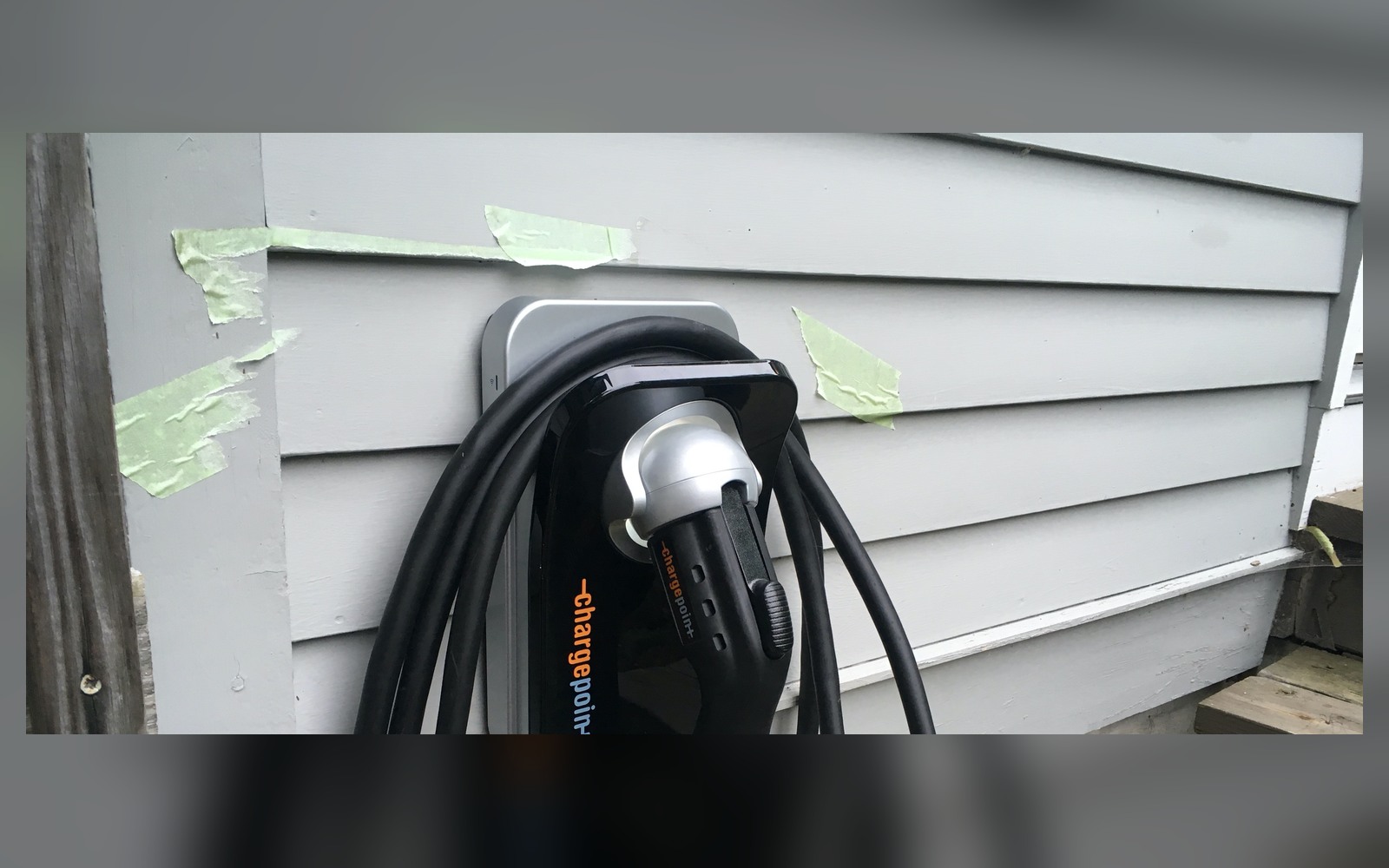
Start with weekly driving. Multiply miles by the vehicle’s realistic energy use per mile, then allow for charging losses. A household driving 150 miles per week at 0.3 kWh per mile needs about 45 kWh in the battery before losses, not the charger’s maximum output multiplied by every parked hour.
This prevents an oversized tariff assumption. A four-hour cheap window may be enough for one household and inadequate for another. Smart charging should respect the required departure time and state of charge. Confirm what the system does if the supplier, app or vehicle loses communication.
Drivers should also check whether a tariff requires a supported charger or vehicle, whether the supplier can control charging, and whether other household consumption receives the cheap rate during the same window.
Check 6: heat-pump homes need comfort-aware scheduling
A heat pump works best as a system with the building, emitters, controls and tariff. Aggressively turning it off during an expensive window can lead to a colder home followed by a high-power recovery. A better approach may be steady operation, modest pre-heating or a tariff designed around heat-pump use.
Compare the full day, not one cheap rate. Specialist heat-pump tariffs may provide lower prices during several daytime periods rather than only overnight. The result depends on insulation, weather compensation, flow temperature, hot-water schedule and household comfort.
From 21 July 2026, eligible off-gas-grid homes in England and Wales using oil or LPG could qualify for a £9,000 Boiler Upgrade Scheme grant toward an eligible air-source or ground-source heat pump, including the temporary uplift described by the government. Eligibility, property requirements and approved installers must be checked before assuming the grant applies.
Check 7: decide whether automation is saving money or hiding it
Automation can coordinate an EV, battery, heat pump and solar system, but it should produce an understandable result. Review at least one ordinary week of import, export and device schedules. Check whether the battery is charging and discharging as expected and whether the EV reaches its target without importing at the peak rate.
A dashboard that reports “optimised” without showing energy flows is not enough. Record:
- Total grid import by tariff period
- Total solar generation and export
- Battery charge, discharge and reserve behaviour
- EV energy added and charging times
- Heat-pump or water-heating electricity where available
- Comfort or routine problems caused by the schedule
A 30-minute tariff comparison method
Step one: download a representative month of half-hourly electricity data. Avoid a holiday month or unusual weather if possible.
Step two: price the actual data using the current tariff, including standing charges.
Step three: price the same unchanged data using the proposed tariff. This reveals whether the new plan is already favourable.
Step four: move only the loads the household can reliably reschedule. Use measured EV, dishwasher, battery or hot-water energy rather than guesses.
Step five: repeat the model for winter and summer. Solar production, heat-pump demand and peak windows may change the answer.
Do not use one supplier’s projected saving as the only calculation. The useful figure is the difference between tariff costs under the same transparent household assumptions.
Common mistakes after a price-cap change
Assuming a fixed tariff is automatically safer. A fix provides price certainty, but exit fees, duration and the household’s technology mix matter.
Choosing the lowest advertised unit rate. The peak rate, standing charge and eligible hours can dominate the result.
Ignoring export terms. A solar household may lose more in export value than it saves on import.
Using a pre-EV or pre-heat-pump annual estimate. The home’s load shape has changed, so the old projection is not comparable.
Believing automation guarantees the cheapest result. Settings, reserve levels and communication failures can change behaviour.
Where households may find the clearest gains
- An EV can charge reliably during a cheap window.
- A battery can avoid a costly peak without sacrificing a required reserve.
- Solar export and import tariffs have been compared together.
- A heat pump has controls designed around the building rather than abrupt on-off schedules.
- Dishwashing, laundry or water heating can move without disrupting family routines.
- The household reviews results after switching instead of leaving default settings untouched.
For US readers, the same method applies even though the terminology differs. Use the local utility’s time-of-use periods, demand charges, solar-export rules and programme conditions. Our guide to understanding summer electricity costs shows how price and consumption can move in different directions.
Quick questions
Is £1,862 the most a household can pay? No. It is Ofgem’s annualised typical-use reference under specified assumptions. Total cost depends on actual use and tariff rates.
Should every EV owner choose an overnight tariff? No. Compare driving energy, available charging hours, peak rates and any charger or vehicle eligibility rules.
Does solar always make a time-of-use tariff better? No. Export rates and evening imports can make different tariff combinations more or less valuable.
Can I assume the £9,000 heat-pump grant applies to my property? No. It is for specific eligible homes and installations. Check current government and scheme guidance before making a purchase decision.
Sources and further reading
Smart TRVs and Radiator Controls for UK Homes
Match connected heating controls to the property, radiator system and room schedule.
Summer Electricity Costs: Use an Energy Monitor Before Buying Another Gadget
Separate unit prices from changing household use before drawing conclusions from a bill.

Smart Underfloor-Heating Thermostats: 7 Compatibility Checks Before Buying
Check system type, sensors, zones and installer requirements before choosing controls.
Leave a Reply