Energy Monitors
Plug-in monitors, whole-home systems and displays that turn usage clues into better buying decisions.
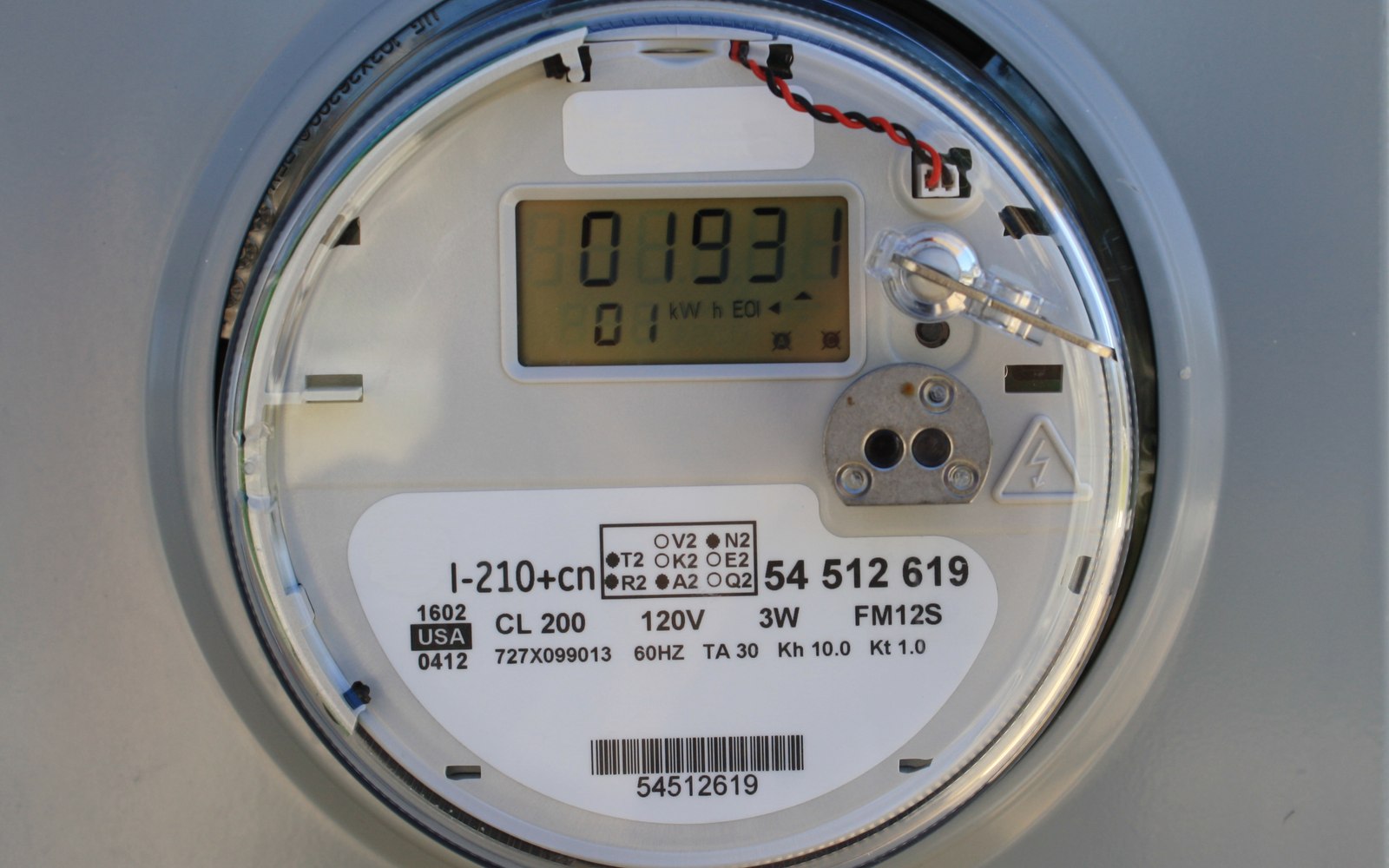
How this route works
Energy Monitors starts with decisions a reader can verify at home: product location, access to manual control, rating labels, ventilation and whether the upgrade makes the room calmer.
The physical fit is checked before the software promise. App badges and voice assistant support are useful only after the plug, lamp, display, cable path or sensor position makes sense.
Watt Atelier keeps a clear boundary around consumer products. Fixed wiring, damaged sockets, outdoor permanent power and recurring heat belong with qualified local help.
Data you can act on
A weekly appliance baseline is more useful than a noisy dashboard nobody checks.
Display placement
Meters and displays should be readable where people already make power decisions.
Limits are evidence
We separate useful clues from claims a monitor cannot prove on its own.
Guides in this route
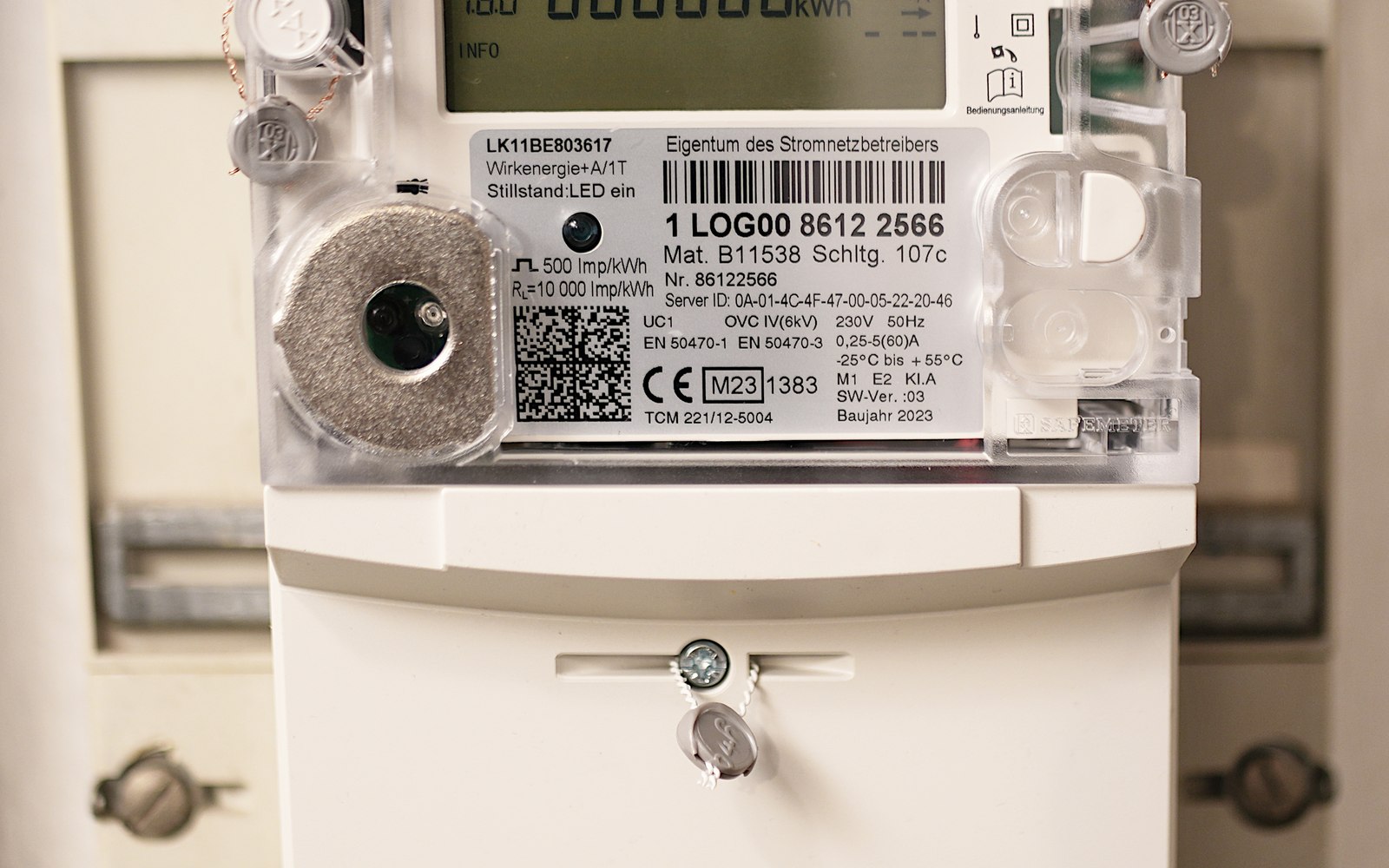
Best Plug-In Energy Monitors for Finding High-Use Devices
Plug-in energy monitors are best for answering one appliance question at a time. Compare readability, logging limits and socket fit before using the data to change habits.
Whole-Home Energy Monitors: What They Can and Cannot Tell You
Whole-home monitors reveal patterns, not guaranteed savings. This guide explains what they can detect, where they guess, and when a simpler plug-in meter is enough.
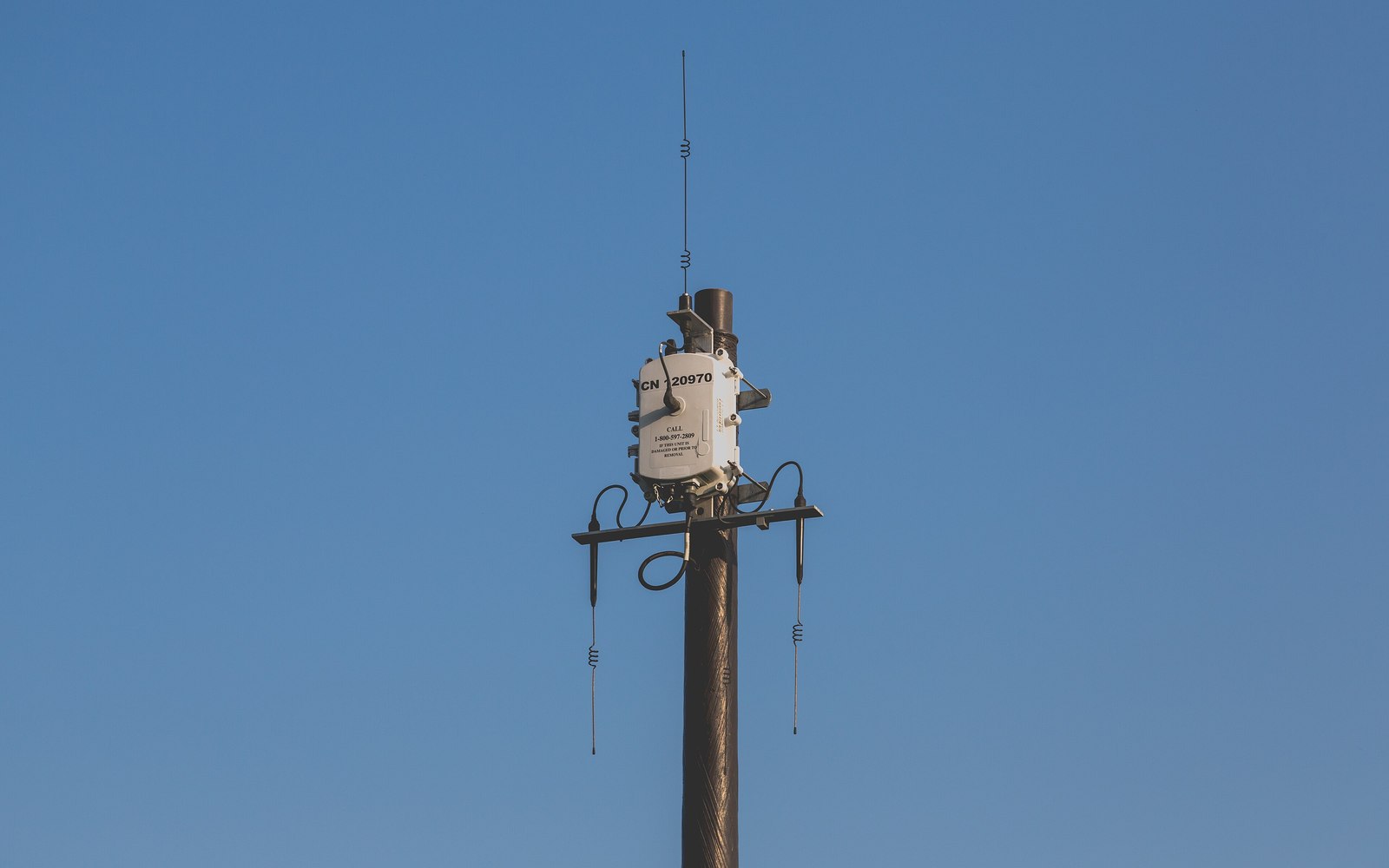
Smart Meter Displays vs Plug-In Monitors: Which Data Is Useful?
Energy data is useful only when it leads to a decision. Compare smart meter displays and plug-in monitors by visibility, accuracy limits and the appliances you can act on.
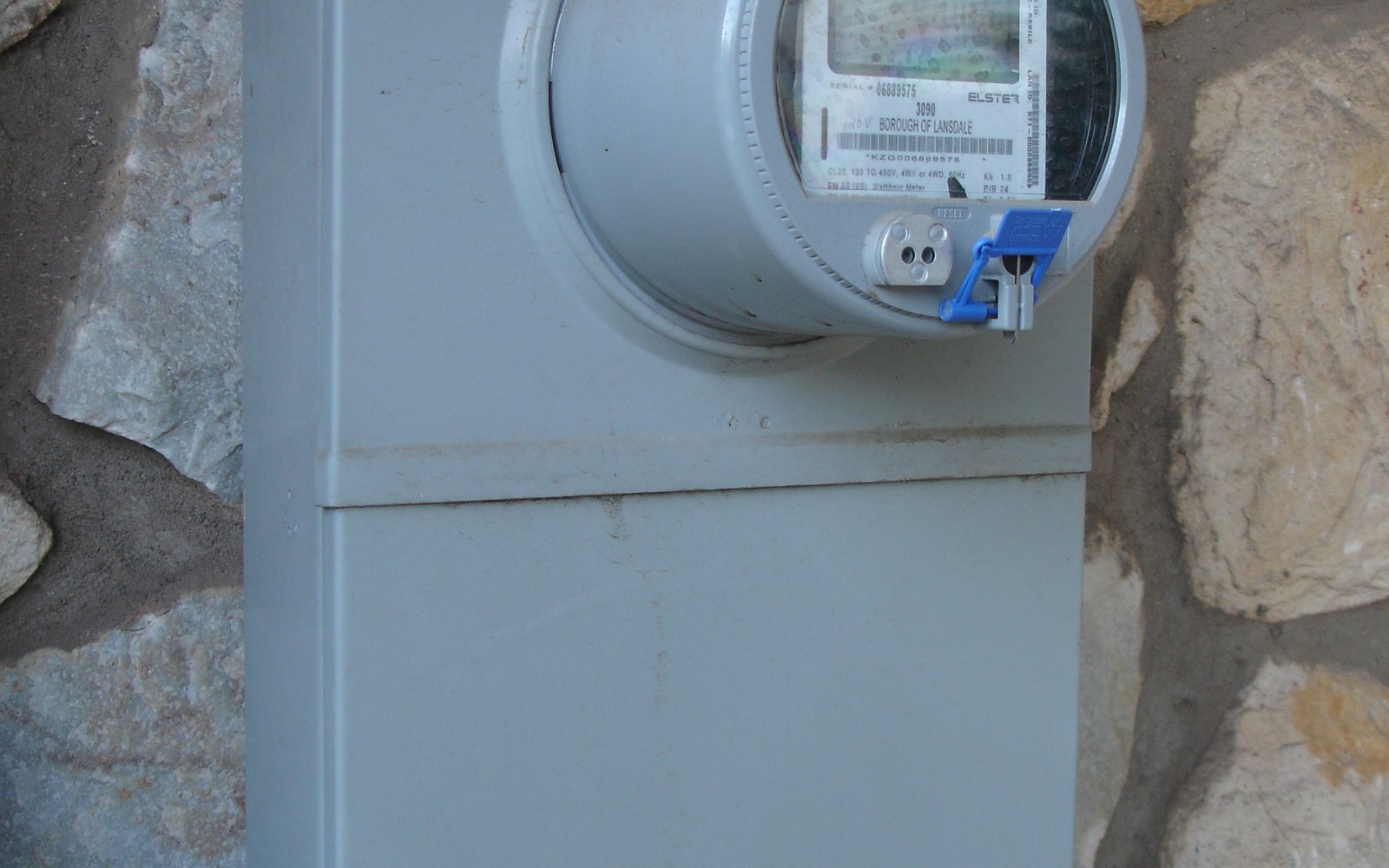
How to Track Standby Power Without Turning Your Home Into a Lab
Track standby power without turning the house into a lab. Start with a few suspect devices, measure normal routines and ignore readings that do not change a decision.
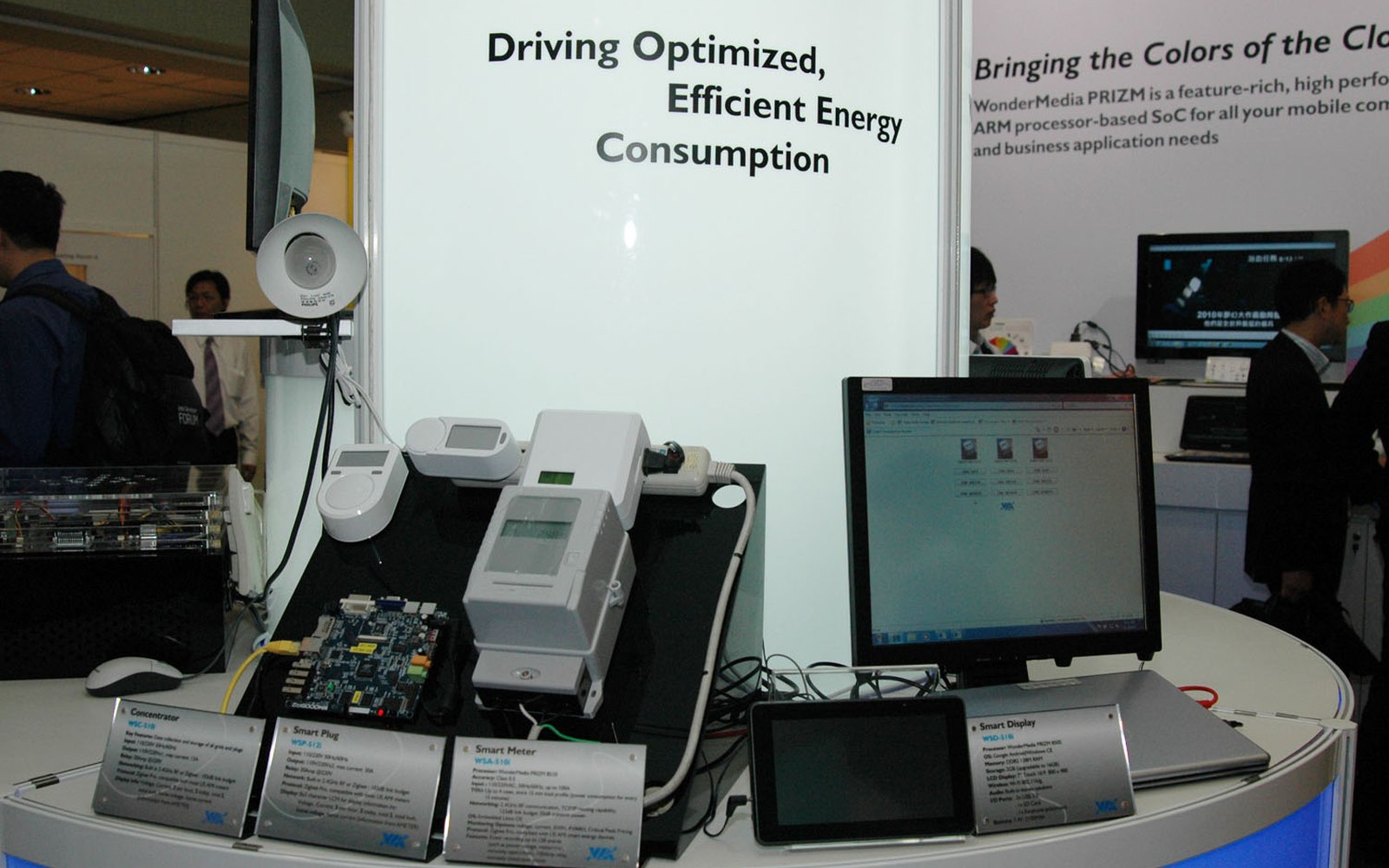
Energy Monitor Buying Checklist for Renters and Homeowners
Renters and homeowners need different evidence from energy monitors. Use this checklist to match display type, installation limits and data detail to the action you can take.
Grid and editorial treatment
The route grid uses twelve-column spans so five or seven article groups finish as a deliberate bento rhythm rather than a missing-card row.
Each guide links back to a practical decision: what to measure, which claim to distrust, when a product is enough and when shopping should stop.