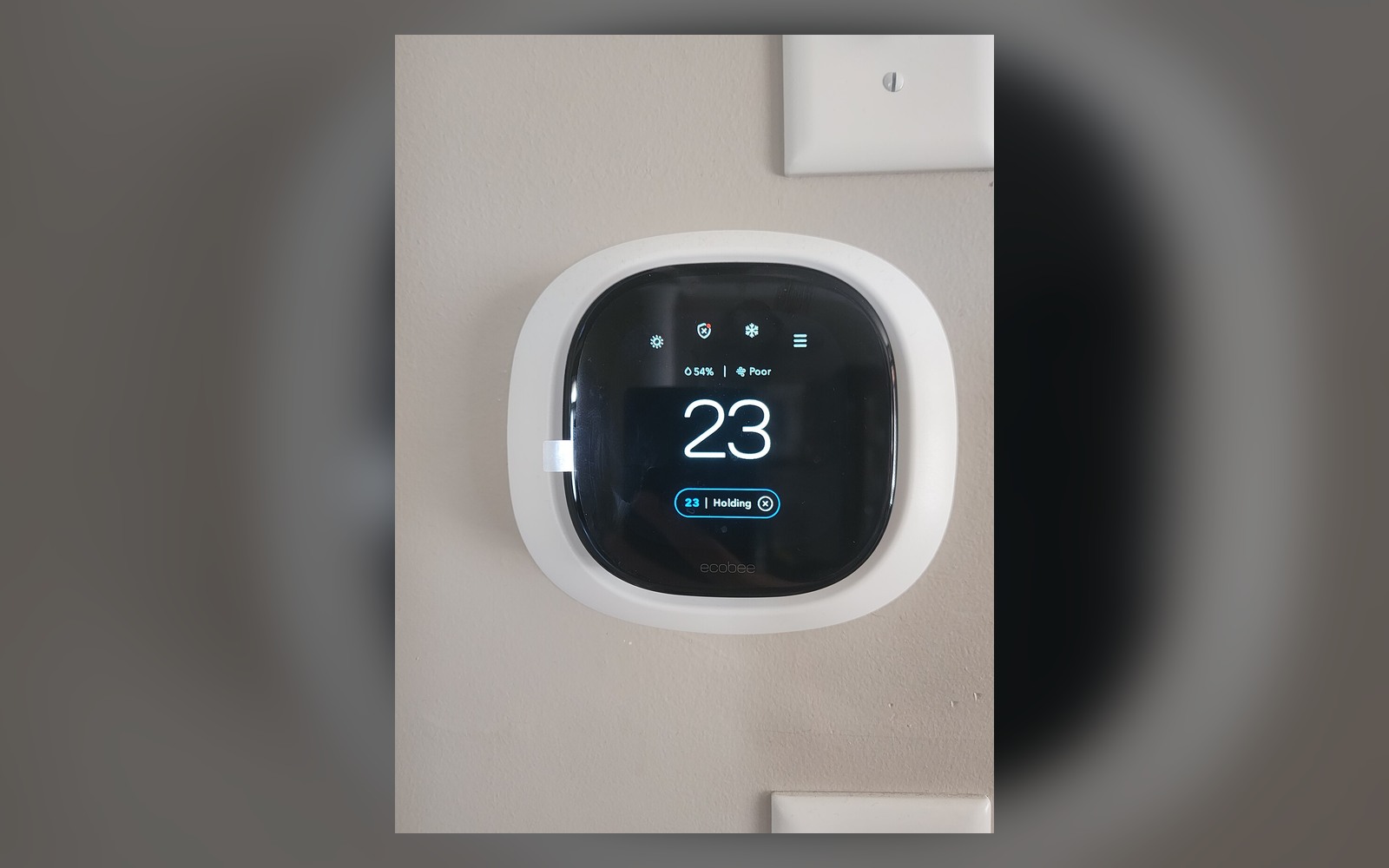
Smart Underfloor-Heating Thermostats: 7 Compatibility Checks Before Buying
A smart thermostat can improve scheduling and room-by-room control, but underfloor heating is not one universal system. Confirm whether the floor is water-based or electric, how the zone is switched, what voltage the controls use and who will carry out the installation before choosing an app or ecosystem.
Smart heating has recently expanded beyond boilers and radiator valves. Eve announced an underfloor-heating thermostat built around Matter and Thread for water-based systems, while other manufacturers continue to add connected wall controls for electric mats, hydronic manifolds and heat-pump installations. The design language is getting simpler, but the compatibility work is not.
The most expensive thermostat is the one that cannot operate the installed floor. Seven checks will eliminate most unsuitable products before a wall plate is removed.
1. Identify water-based or electric underfloor heating
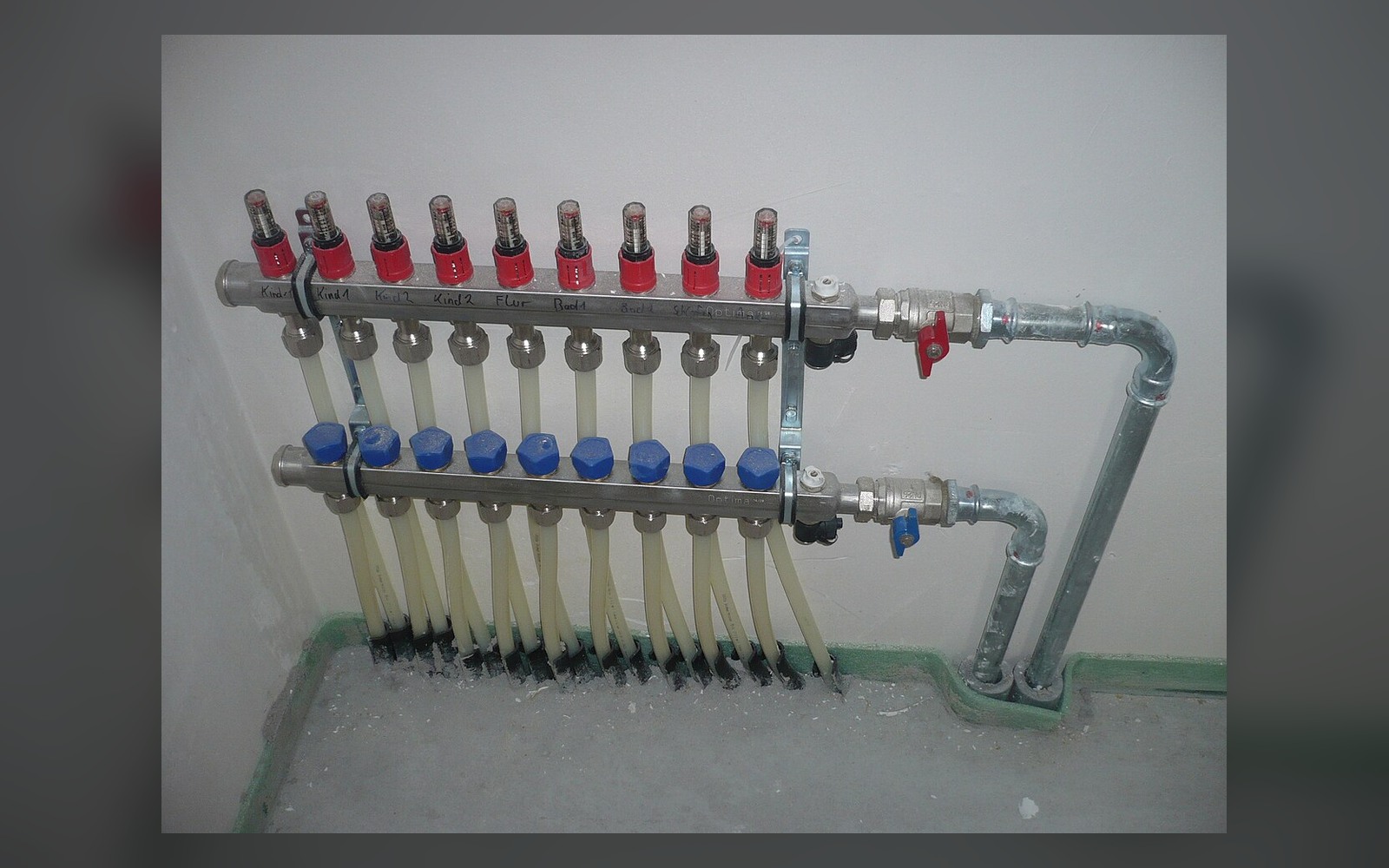
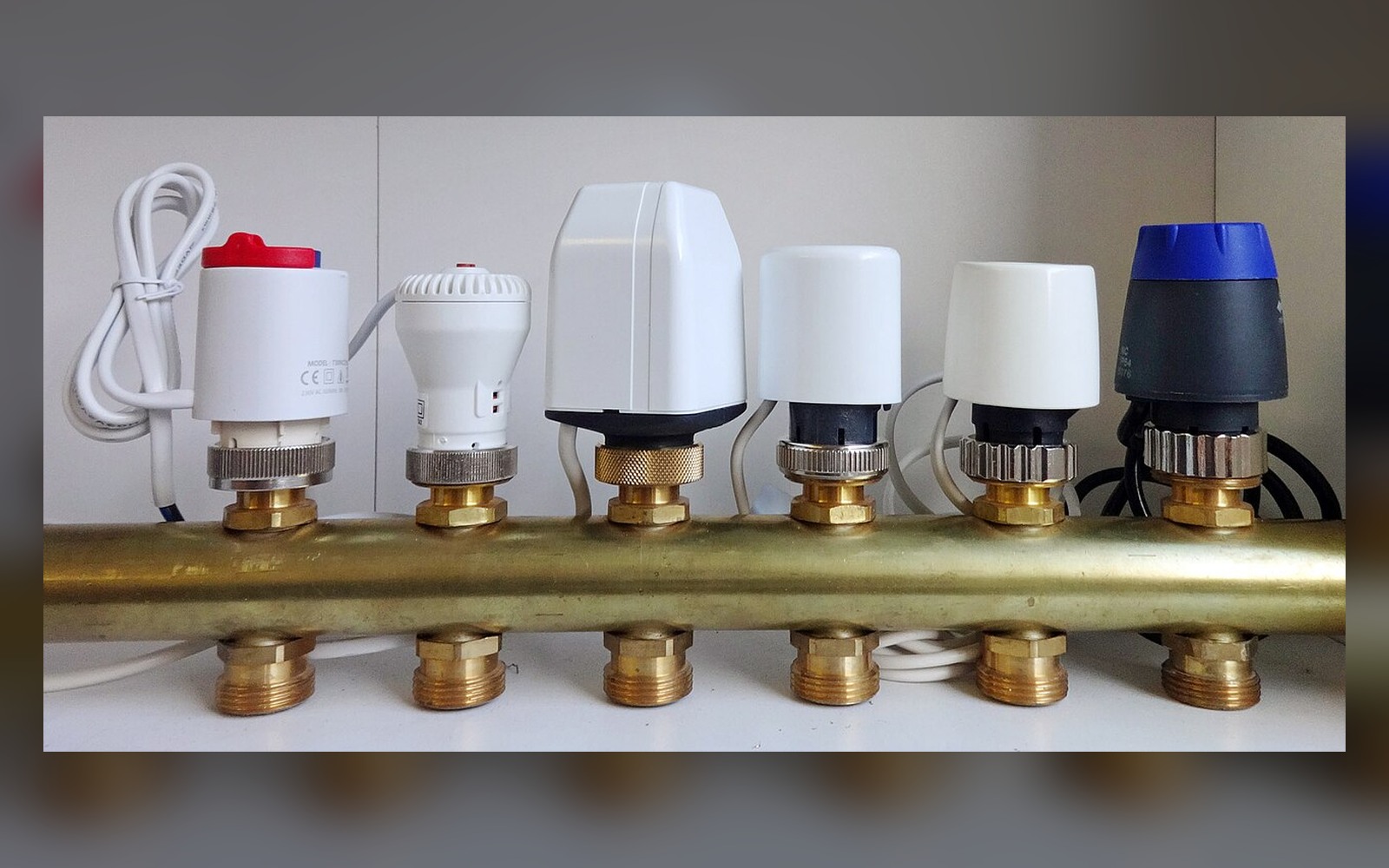
Water-based, or hydronic, underfloor heating circulates warm water through pipe loops. A manifold distributes the flow to different rooms or zones, and electrothermal actuators commonly open and close individual circuits. The wall thermostat may signal a wiring centre, an actuator or a central controller rather than switching the heating load directly.
Electric underfloor heating uses a resistive cable or mat. Its thermostat may switch a much higher electrical load and usually depends on a floor-temperature sensor. A thermostat designed for low-power hydronic actuators is not an electric-floor thermostat, even if both products have similar screens and schedules.
This distinction should be written at the top of the purchase notes. Do not use appearance, app screenshots or the word “underfloor” as a substitute for the installation manual.
2. Trace what the existing thermostat actually controls
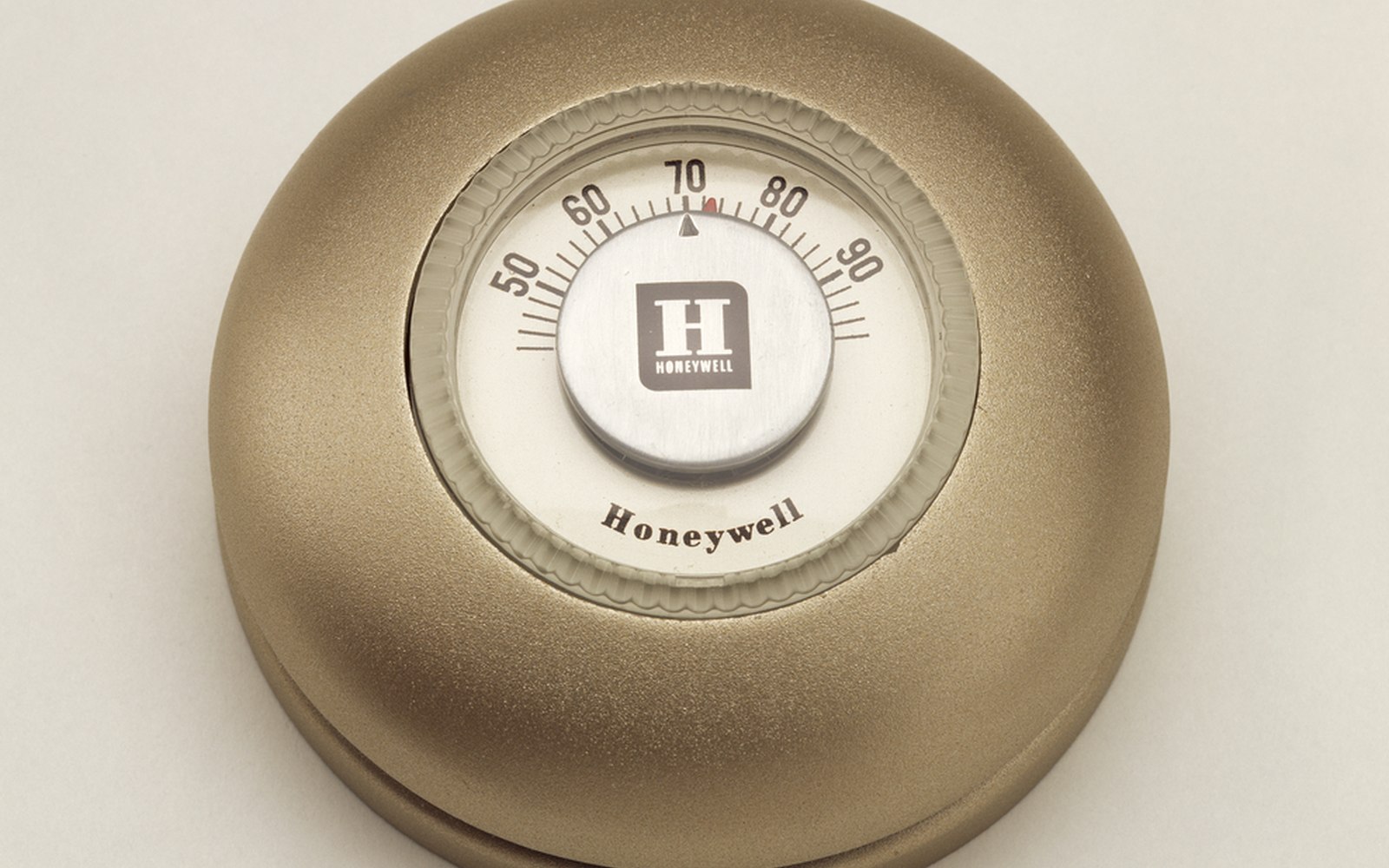
A room thermostat might connect to an actuator, a wiring centre, a boiler-enable relay, a heat-pump controller or a building-management system. Two homes with identical wall controls can have different wiring behind them. Photograph the model label and gather the heating-system documents before shopping.
Useful questions include: Does one thermostat control one loop or several loops? Does the wiring centre create the boiler demand? Is the room part of a mixed system with radiators elsewhere? Is there a separate pump controller? The answers determine whether a replacement can be direct, requires an interface or should remain within the original manufacturer’s control family.
3. Check voltage, switching method and actuator behavior
Eve’s European underfloor-heating announcement describes control of low-power electrothermal 230 V actuators. Other systems use 24 V actuators, dry contacts or proprietary bus wiring. Similar-looking terminals do not mean electrical compatibility.
Actuators also differ between normally closed and normally open behavior. A mismatch can reverse the expected operation or leave a zone in the wrong state after a fault. Confirm the existing actuator labels, total load and control method against the thermostat documentation.
This is a product-selection checkpoint, not a wiring procedure. If verification requires opening mains-powered controls or testing conductors, use a qualified electrician or heating professional and follow local requirements.
4. Count real zones, not rooms on the floor plan
A zone is defined by the controls, not by the room name. A large kitchen may have two pipe loops driven by one thermostat. An open-plan area may share a zone with a hallway. A bathroom may be electric while the rest of the level is hydronic. Count thermostats, manifold circuits, wiring-centre channels and controller capacity.
Then decide whether every zone needs a new thermostat. Replacing one troublesome room first can be more useful than converting a whole manifold at once. It also reveals whether the household likes the interface, whether Thread coverage is adequate and whether schedules behave as expected through a full heating cycle.
5. Confirm the sensor strategy
Air temperature alone is not always enough. Electric floors commonly need a compatible floor probe to limit surface temperature. Hydronic systems may rely on room temperature, water-temperature limits elsewhere in the system and the thermal characteristics of the floor construction.
Sensor location matters because underfloor heating changes slowly. A thermostat beside a sunny window, draughty door or secondary heat source can end a heating cycle too early or keep it running too long. If the new product supports a remote room sensor, check whether that sensor participates in control or merely reports temperature.
6. Treat Matter and Thread as the control layer
Matter can make a compatible thermostat visible to Apple Home, Google Home, Amazon Alexa, Samsung SmartThings and other supported platforms. Thread can provide a low-power mesh connection. Neither standard changes the voltage at the wall, the actuator type or the heating plant’s control logic.
A Thread thermostat also needs a suitable Thread Border Router and Matter controller. Eve publishes a current hub compatibility guide covering major platforms. Check the hub already in the home before assuming the thermostat will build its own network.
Also compare what the platform exposes with what the manufacturer’s app provides. Basic setpoint control may work across platforms while detailed schedules, calibration or installer settings remain in the manufacturer’s interface.
7. Decide how the system should fail
A heating control should remain understandable when the phone is flat, the internet is unavailable or a household member has not joined the app. Look for clear on-device temperature adjustment, readable status and a documented path for schedules and firmware updates.
Ask what happens after a power cut, how frost protection is handled and whether local schedules continue without a cloud service. Eve’s current product direction emphasizes local operation without subscriptions or cloud dependency; other products use different architectures. The right choice is the one whose failure behavior matches the household’s tolerance for disruption.
What to put on an installer handoff sheet
- Existing thermostat manufacturer and model
- Water-based or electric floor-heating type
- Control voltage and switching method
- Actuator model and normally-open or normally-closed behavior
- Number of zones and manifold circuits
- Floor-sensor type, if present
- Boiler, heat pump or wiring-centre model
- Preferred smart-home platform and available hubs
This sheet is more valuable than a screenshot of the thermostat app. It lets the installer confirm whether the proposed control is electrically and operationally suitable before work is scheduled.
Who should wait
Delay the purchase if the existing controls are unlabelled, several zones behave incorrectly, the manifold shows leaks or corrosion, breakers trip, or the heating source already has unresolved faults. A connected thermostat is not a repair for a damaged actuator, poor hydraulic balance or a failing heat source.
Renters should also obtain the property owner’s approval before changing a fixed wall control. A removable smart radiator valve and a wired floor thermostat have very different installation and ownership implications.
Quick questions
Can one smart thermostat control every floor-heating zone? Only if the control system was designed that way. Most zoned hydronic systems use separate thermostats or controller channels.
Is a Matter thermostat automatically compatible with my heating system? No. Matter covers smart-home communication, not the electrical or hydraulic interface.
Do I need a floor sensor? Many electric systems do. Hydronic requirements vary. Follow the floor-heating and thermostat manufacturers’ guidance.
Can I replace the thermostat myself? Fixed heating controls can involve mains voltage and system-specific commissioning. Use a qualified professional where required and do not rely on wire-color assumptions.
Sources and further reading
Smart Thermostat Compatibility Checklist Before You Buy
Confirm system type, power, controls and regional model before choosing a thermostat by app features.
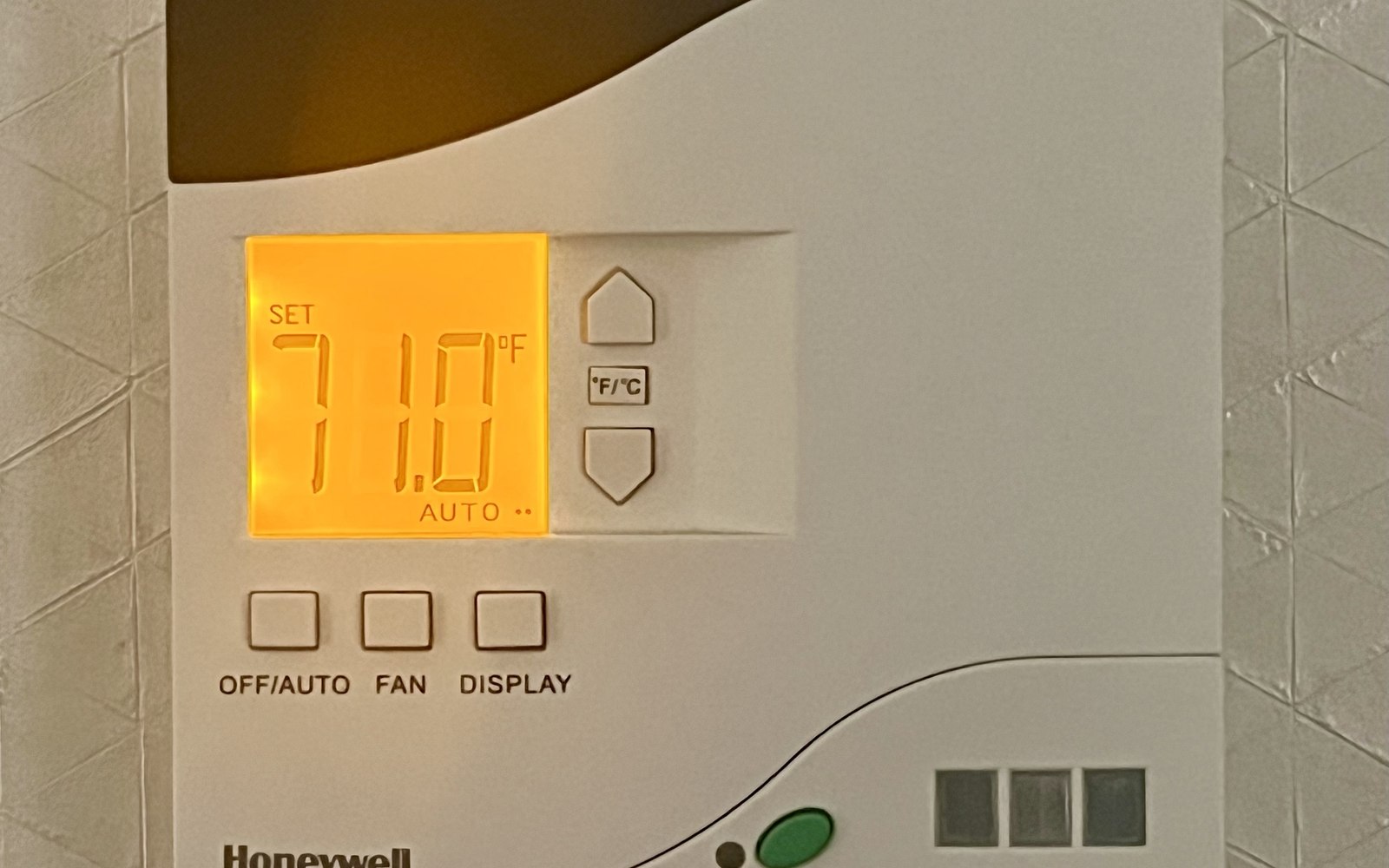
Best Smart Thermostats for Simple Scheduling
A useful schedule should be understandable at the wall as well as in the app.
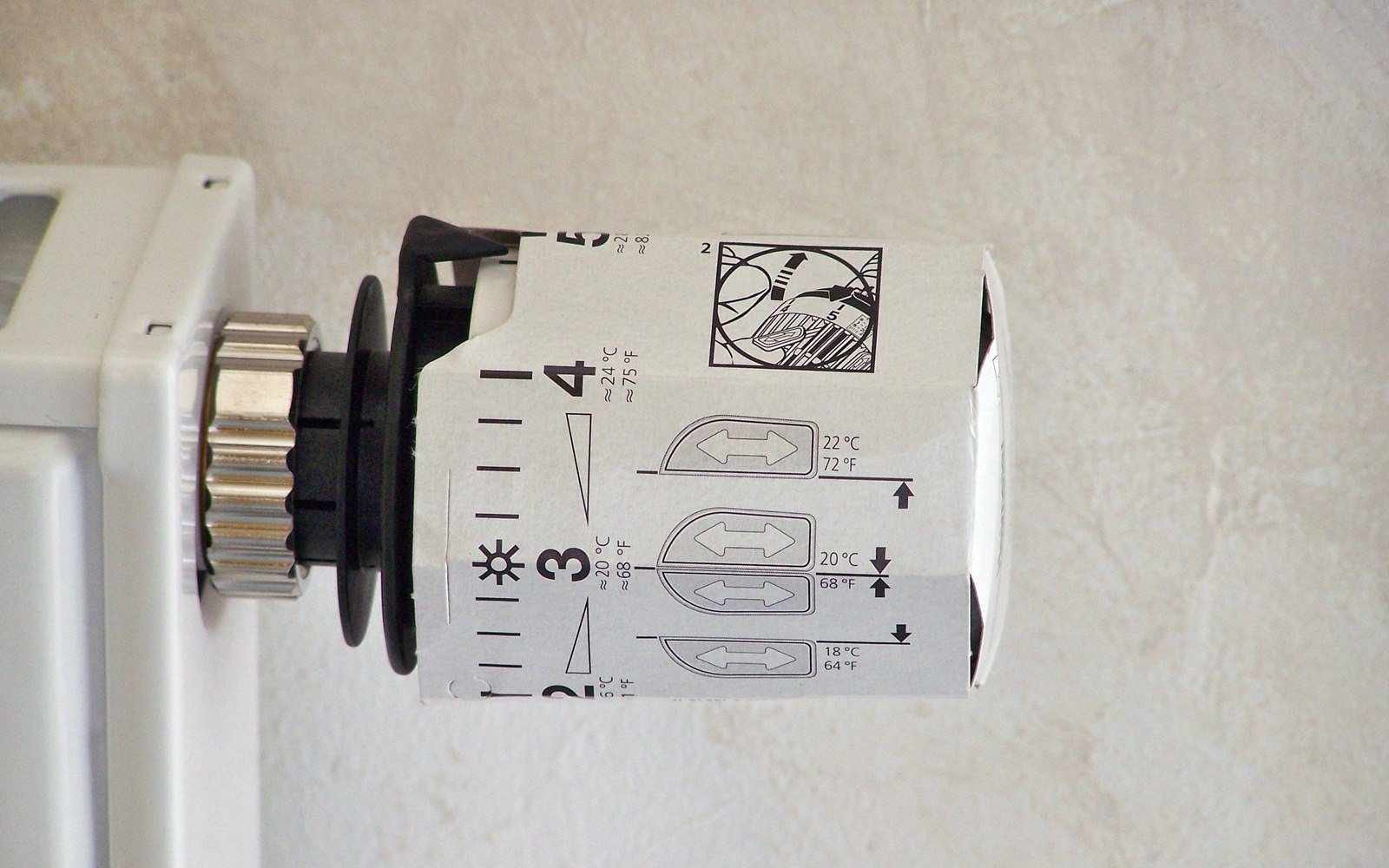
Smart TRVs and Radiator Controls for UK Homes
Radiator valves and floor-heating zones solve different control problems and should not be treated as substitutes.
Leave a Reply