Summer Electricity Costs: Use an Energy Monitor Before Buying Another Gadget
When a summer electricity bill rises, start by separating three variables: the price per kilowatt-hour, the number of hours high-load equipment ran and the smaller loads that stayed on for longer. An energy monitor is useful when it answers one of those questions; it is not a promise of automatic savings.
The US Energy Information Administration’s July 2026 Short-Term Energy Outlook forecasts an average summer residential bill of about $192 per month, 3.7% higher than 2025, even while average monthly use is forecast to fall. Regional outcomes vary sharply. A household can therefore use slightly less electricity and still pay more because the unit price changed.
That is why the first response to a high bill should not be buying a smart thermostat, replacing a refrigerator or filling every outlet with monitoring hardware. Read the bill, measure a short list of plausible loads and decide which result would justify action.
Begin with the bill, not the app
Compare the latest statement with a similar billing period rather than the immediately previous month. Record total kilowatt-hours, number of billing days, price per kilowatt-hour and any fixed or demand-related charges. If the billing period was longer or the tariff changed, the cost increase may be larger than the change in consumption.
Weather also changes runtime. An air conditioner or dehumidifier may draw a familiar amount while running but operate for many more hours during heat and humidity. A refrigerator can also run longer in a hot kitchen or garage. Measurement needs to capture cycles and hours, not just one instantaneous number.
Choose the right level of measurement
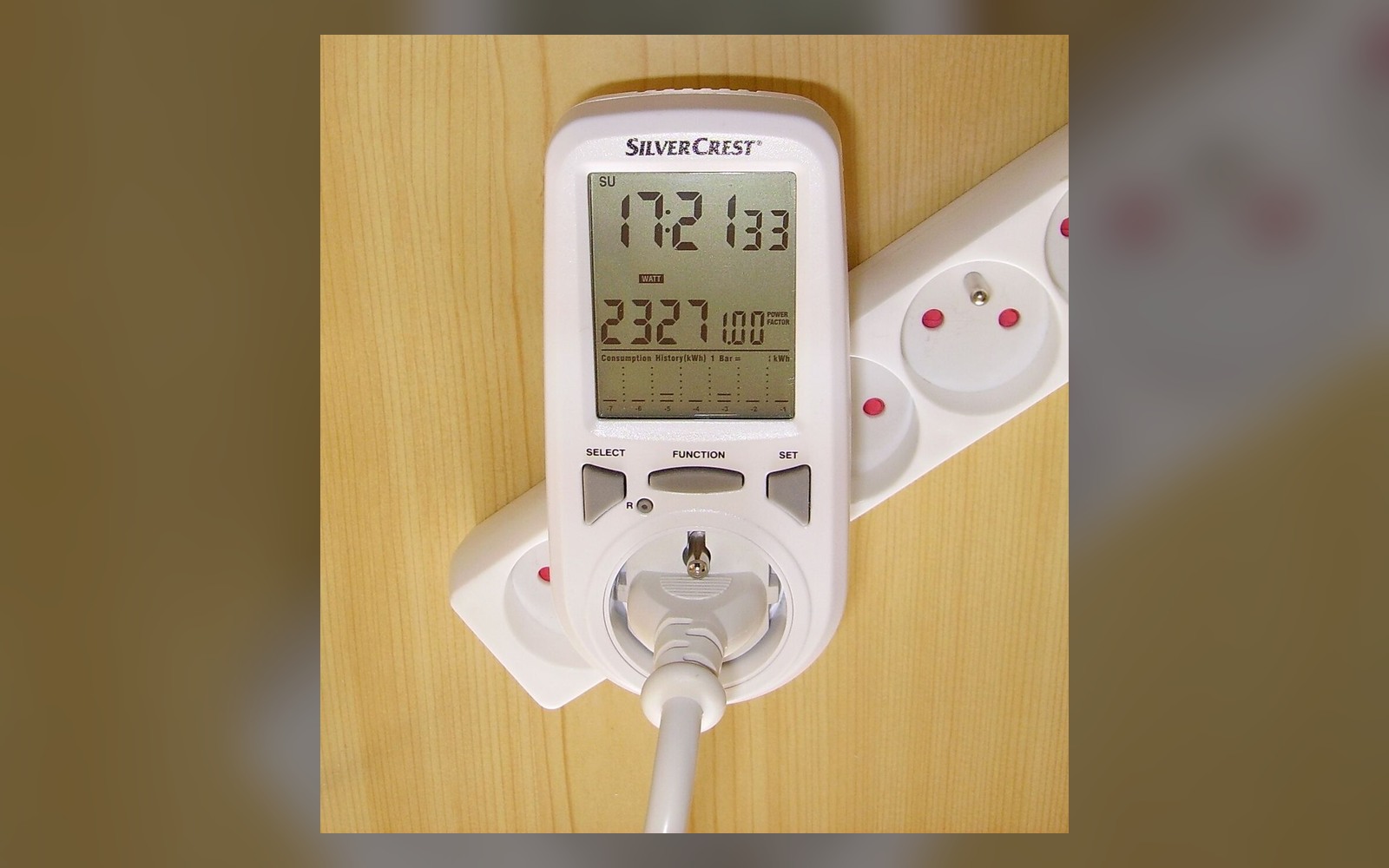
A plug-in energy monitor sits between an ordinary outlet and a compatible appliance. It can be excellent for a refrigerator, dehumidifier, portable air conditioner, fan, television, computer setup or other cord-connected load within the meter’s rating. It cannot measure hardwired central air conditioning, an electric water heater, an oven circuit or the whole house.
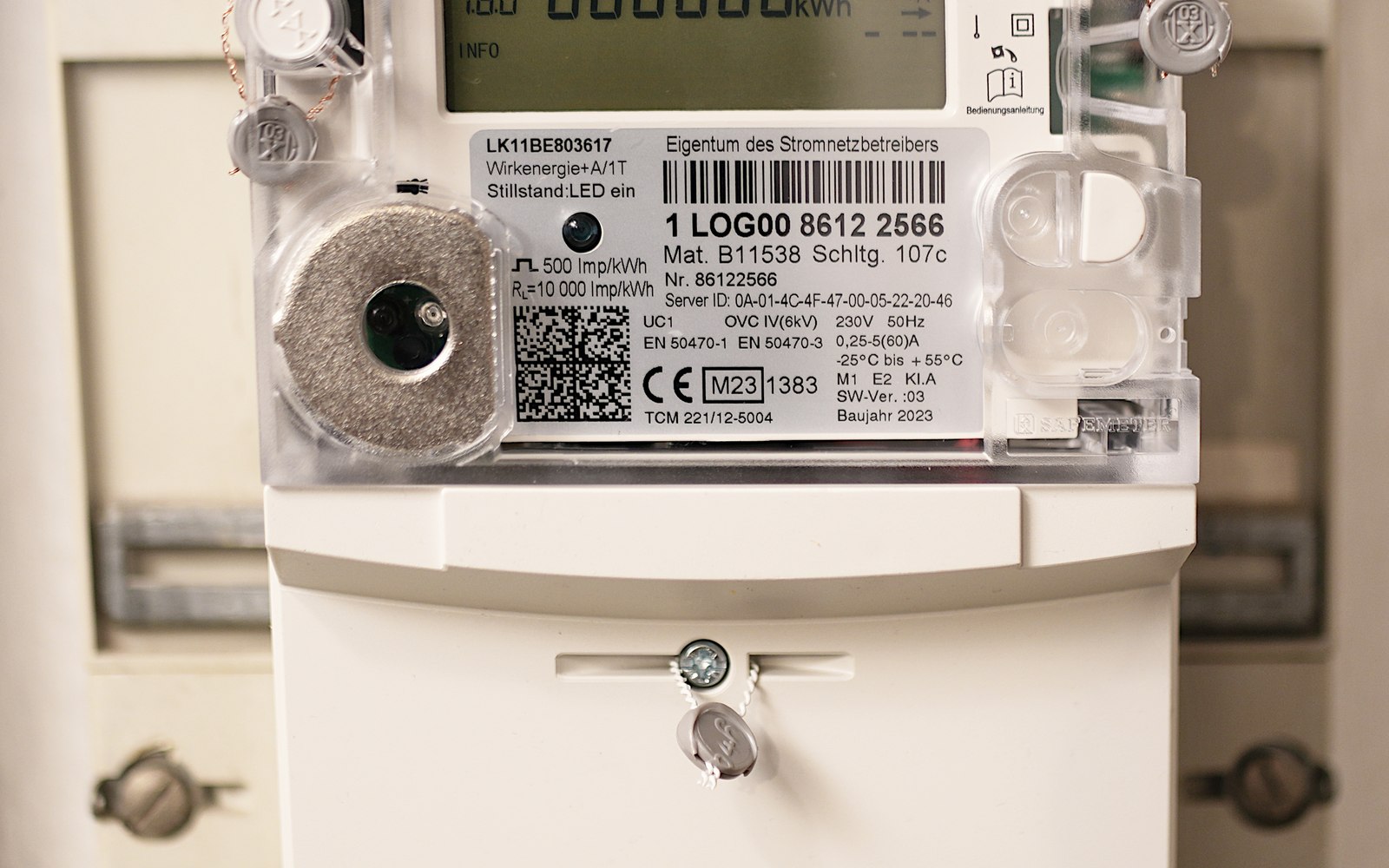
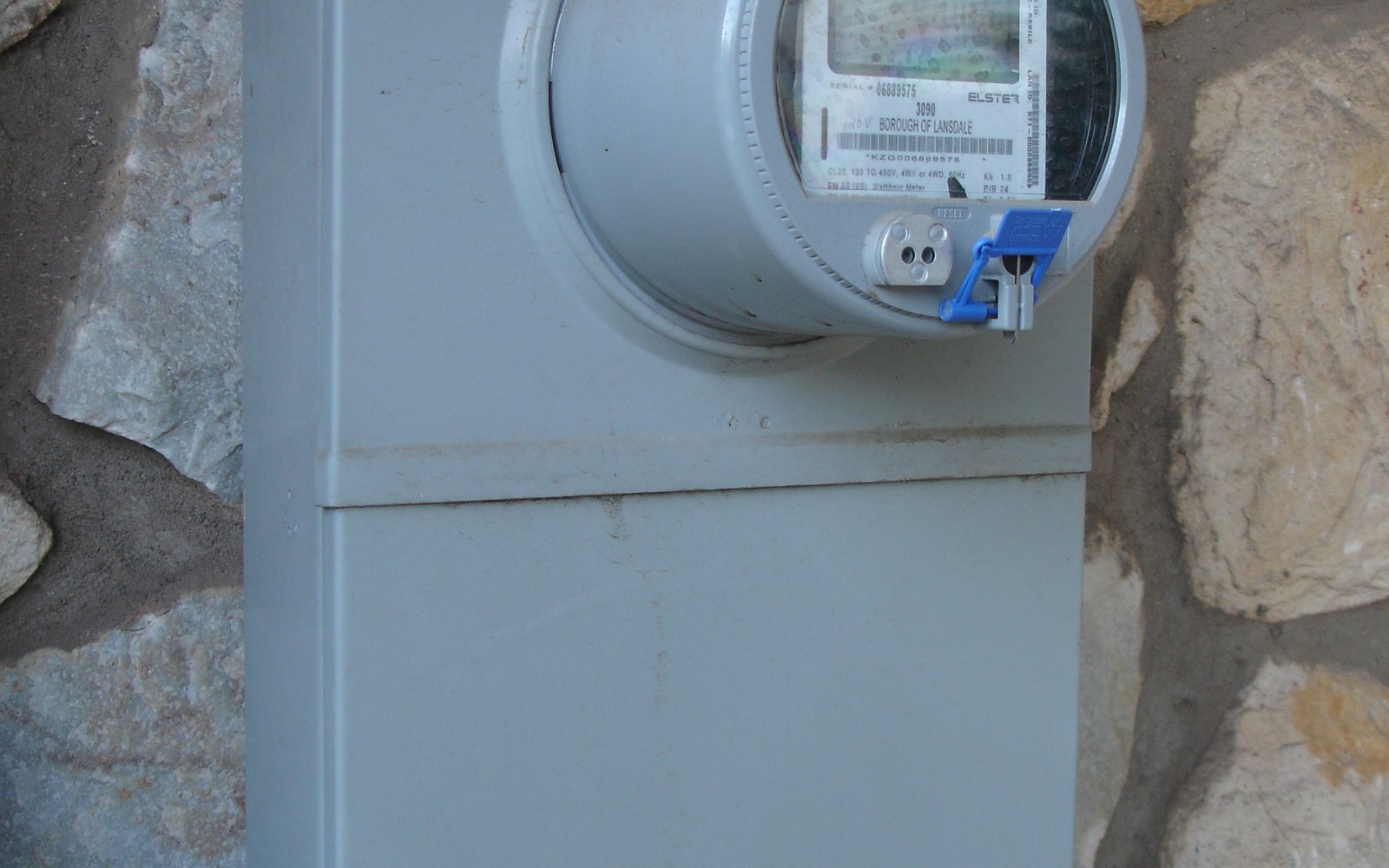
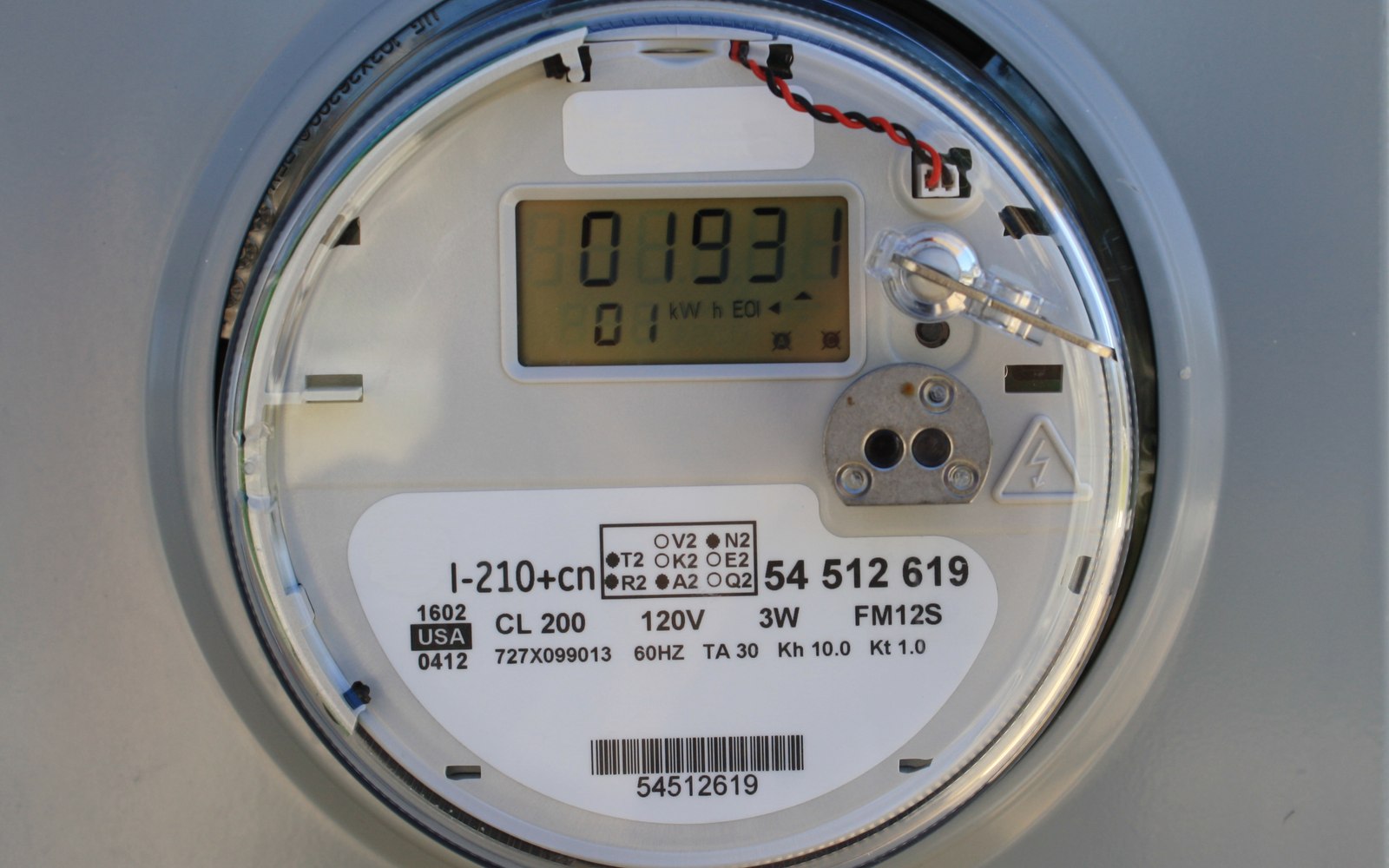
A utility smart-meter display shows the home’s combined demand. A whole-home monitor may add faster data or circuit estimates, but installation can involve the electrical panel and should follow manufacturer guidance and local requirements. Choose the least complicated tool that can answer the question.
Understand the four readings that matter
The Department of Energy’s standby-power guidance notes that low-power measurements require appropriate resolution and that fluctuating loads should be measured over time rather than read once. For household decisions, the practical lesson is simple: let cycling appliances complete representative cycles and record the meter’s accumulated energy.
A three-day summer measurement plan
Day one: establish the baseline. Record the utility meter or in-home display at the same time in the morning and evening. Note outdoor temperature, thermostat setting and whether major equipment ran unusually. The objective is not laboratory accuracy; it is finding the largest pattern.
Day two: test one cycling appliance. Put a compatible refrigerator, dehumidifier or portable cooling unit on a plug-in monitor for at least 24 hours. Do not move the meter among several devices during that period. Record kilowatt-hours and the normal operating conditions.
Day three: test an always-on group. Measure a home-office setup, media cabinet or network shelf. Compare its active use with overnight demand. This reveals whether the group is a meaningful target or merely an easy device to blame.
After three days, compare the measured energy with the household total. A device using 0.1 kWh per day may be interesting but unlikely to explain a large summer increase. A portable air conditioner using several kilowatt-hours per day deserves a closer look.
Calculate cost without inventing savings
Use the tariff shown on the bill. A simple estimate is:
Measured kWh × electricity price per kWh = estimated energy cost.
If a monitor records 1.8 kWh over 24 hours and the energy rate is $0.18 per kWh, the energy portion is about $0.32 for that day. Taxes, fixed charges, time-of-use rates and demand charges may change the final bill, so the result is an estimate rather than a duplicate of the utility calculation.
Do not convert a short sample into an annual claim without considering seasons and duty cycles. A dehumidifier may run heavily for six humid weeks and rarely during winter. A refrigerator changes with room temperature and use. A home office follows work patterns.
What to investigate first
- Cooling: central or portable air conditioning, room fans and dehumidifiers
- Water heating: especially where hot-water use changed or a fault is suspected
- Cold appliances: refrigerators or freezers in hot garages and utility rooms
- Continuous loads: pumps, network equipment, aquariums and always-on workstations
- Schedule changes: school holidays, remote work, guests or more time at home
- Tariff changes: higher unit prices, time-of-use windows or a longer billing period
Large fixed-wiring loads should be evaluated through appropriate whole-home data or by a qualified professional. Do not open an electrical panel to chase a reading.
When a new gadget is justified
Buy a monitor when repeated measurement will change decisions: comparing an old garage freezer with a replacement, checking whether a dehumidifier’s control strategy works, or tracking a portable air conditioner across rooms. Choose a smart plug with energy monitoring when remote control and measurement are both appropriate for the appliance.
Skip the purchase when the utility already provides useful interval data, the suspected load is hardwired, or the household has no plan for acting on the result. A week of careful meter readings can be more valuable than a permanent dashboard that nobody checks after installation.
Common mistakes
Reading watts once. Cycling appliances need accumulated energy over a representative period.
Ignoring the tariff. A higher bill can reflect a higher unit price even when consumption is stable or lower.
Measuring the easiest device. A television is convenient to test, but cooling or water heating may dominate the seasonal change.
Assuming the monitor saves energy. The device provides evidence. Savings depend on a practical change that preserves safety, comfort and equipment requirements.
Using a plug-in meter beyond its rating. Follow the meter and appliance manufacturers’ guidance, keep the display ventilated and do not use an adapter arrangement that creates strain or heat.
Quick questions
How long should I measure a refrigerator? At least 24 hours, and longer if weather or household use varies significantly.
Can a plug-in monitor measure central air conditioning? Not when the system is hardwired or on a dedicated circuit. Use appropriate utility, whole-home or professional measurement instead.
Is standby power usually the main summer problem? It can add up, but cooling runtime and other high-load equipment are often more plausible explanations for a large seasonal jump.
Should I replace an appliance based on one day of data? No. Confirm a representative pattern, compare the result with published specifications and consider repair, maintenance and replacement cost.
Sources and further reading
Best Plug-In Energy Monitors for Finding High-Use Devices
Use a plug-in meter to answer one appliance question at a time and record enough runtime to capture a normal cycle.
How to Track Standby Power Without Turning Your Home Into a Lab
Measure suspect devices in a short sequence and ignore tiny readings that will not change a decision.
Whole-Home Energy Monitors: What They Can and Cannot Tell You
Whole-home data reveals patterns, while plug-level measurement is better for confirming a specific appliance.
Leave a Reply