
Home Batteries Are Booming in 2026: When Does One Actually Pay?
Home batteries have moved from a specialist solar add-on to a mainstream household-energy decision. The strongest case is no longer simply “store power for later.” It is a combination of using more of your own solar, avoiding expensive tariff windows and, in some regions, being paid to let an energy provider coordinate part of the battery.
US households installed a record 673 megawatts of residential battery capacity in the first quarter of 2026, according to reporting based on US Energy Information Administration data. The rise arrived while electricity prices were climbing and new rooftop-solar installations were under pressure. In California, batteries were being installed at a faster rate relative to new solar than many analysts had expected.
That headline does not mean every household should buy a battery. A system can be a strong fit for one tariff and a weak fit for the house next door. The useful question is not whether batteries are popular. It is whether a battery can repeatedly move enough electricity from a low-value hour to a high-value hour in your particular home.
What changed in 2026
Three trends are converging. First, more households face time-of-use prices or export rates that make midday solar less valuable than evening electricity. Second, home-energy platforms can automate charging and discharging instead of relying on daily manual decisions. Third, virtual power plant programmes are paying some battery owners for making a controlled share of stored energy available during selected periods.
The result is a different buying conversation. Five years ago, a sales pitch often began with battery size and backup duration. In 2026, the more revealing questions are about the tariff, solar-export value, household load profile, programme rules and how much battery capacity remains under the owner’s control.
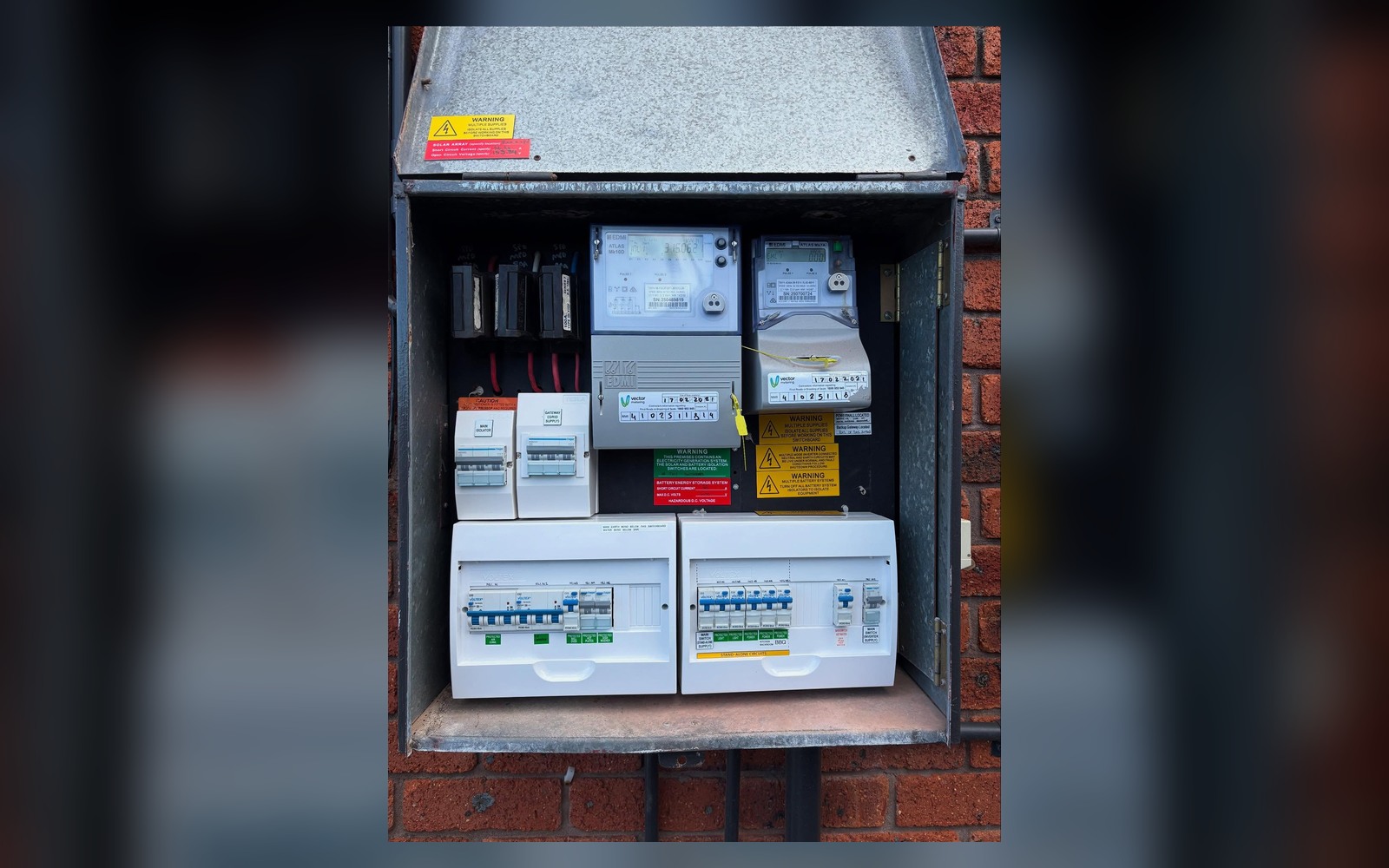
The three jobs a home battery can perform
A battery may do several of these jobs, but each one uses the same finite capacity. A programme that discharges the battery for grid support can reduce the energy available for the household later that evening. A large reserve preserves flexibility but leaves less capacity for bill savings. Good software makes these trade-offs visible; it does not remove them.
Start with one month of real household data
Before comparing battery brands, collect a recent electricity bill, interval data from the utility or smart meter, and solar-generation data if panels are already installed. Separate weekday and weekend patterns. Note when the house imports the most electricity and when solar is exported.
A battery is most financially useful when there is a repeated gap between low-value electricity and high-value electricity. That gap may come from cheap overnight charging versus an expensive evening peak, or from low export compensation versus high evening import prices. If the tariff is flat and exported solar is well compensated, the available saving can be much smaller.
Do not estimate from annual consumption alone. Two homes using 8,000 kWh per year can have very different battery economics. One may have a large evening load after solar production ends; the other may use most electricity during the day and export little. Timing matters as much as total use.
A simple calculation that exposes weak sales claims
Estimate the value of one usable battery cycle:
Energy moved × price difference × round-trip efficiency = approximate cycle value.
Suppose a household can reliably move 8 kWh from a 12-cent period to a 36-cent period. The price difference is 24 cents. At 90% round-trip efficiency, the gross value of that cycle is roughly $1.73. That is before financing costs, programme fees, battery degradation, export rules and days when the full cycle is unavailable.
The same method works in pounds and pence. Replace the example rates with the household’s actual import and export prices. If a proposal assumes a full cycle every day, check whether winter solar production, vacations, low household demand or programme reserve settings make that realistic.
Virtual power plants are real, but the contract matters
Virtual power plants combine many small batteries so they can respond like a larger energy resource. In July 2026, programmes in several US markets were expanding, and one Massachusetts programme that had paid more than $5.4 million to participating residential battery owners in 2025 was adding eligible electric-vehicle batteries.
That makes grid participation commercially significant, but compensation is not guaranteed everywhere. Availability may depend on the utility, battery brand, installer, retailer, state or local market. Payments can be fixed, event-based or linked to measured performance. Some programmes control only a limited number of events; others may operate more frequently.
- How many events can occur in a season?
- How much capacity can the programme use?
- Can the owner set a minimum reserve?
- Is payment fixed, performance-based or estimated?
- Can the household leave without a penalty?
- Does participation affect the battery warranty or installer support?
- Who receives the payment if the system is leased?
A programme payment should be treated as one line in the calculation, not as a permanent promise. Terms, market rules and utility budgets can change during the life of a battery.

Battery size should follow the household’s energy window
A large battery is not automatically a better purchase. Size it around the energy that can be moved on an ordinary day. If the household regularly needs 6 kWh between the end of solar production and the end of the expensive tariff window, a system designed around that pattern may work harder financially than a much larger unit that sits partly unused.
Check both energy and power. Kilowatt-hours describe how much energy the battery stores. Kilowatts describe how much power it can deliver at once. A battery may have adequate energy for several hours but still be unable to support every large appliance simultaneously. Heating, cooling, cooking, EV charging and water heating can create short periods of high demand.
Households planning an EV, heat pump, induction range or heat-pump water heater should model the future load rather than only the current bill. Our guide to whole-home energy monitors explains where household data helps and where estimates remain uncertain.
Five quotation details worth comparing
Usable capacity. Marketing capacity and usable capacity may differ. Ask what the owner can actually schedule and whether a reserve is included.
Continuous and surge output. These determine which combinations of loads the system can support. Compare them with realistic household demand, not a list of individual appliance ratings added together.
Round-trip efficiency. Some energy is lost while charging, storing and discharging. Use the system figure when estimating tariff savings.
Warranty structure. Read the years, throughput, retained-capacity promise and exclusions. A ten-year headline can hide important operating limits.
Control and interoperability. Confirm which tariffs, inverters, solar systems, EV chargers and energy programmes are supported in the exact regional model. Ask what still works if an app, cloud service or energy retailer changes.
When the maths is usually strongest
- The home has solar exports that receive substantially less than evening imports cost.
- The tariff has a dependable low-price charging window and a meaningfully higher peak window.
- The household has a repeatable evening load that can use stored energy.
- A local incentive or flexibility programme has clear, verifiable terms.
- The system can be purchased without financing costs overwhelming the expected savings.
- The owner expects to remain in the property long enough to use the system.
When to wait
Wait if the installer cannot model the proposal against interval data, the tariff is likely to change before installation, or the quotation relies on an unspecified “average household saving.” A battery can also be premature when the roof needs replacement, the solar design is unresolved or the electrical service plan is still changing.
Renters and households expecting to move soon may be better served by tariff changes, appliance scheduling or smaller efficiency improvements. The summer electricity-cost guide shows how to find the largest household loads before buying more hardware.
Questions households are asking in 2026
Can a battery save money without solar? Sometimes. A wide time-of-use price difference can support grid charging, but local tariff rules and the efficiency loss must be included.
Will a virtual power plant pay for the battery? Programme income can improve the calculation, but the amount and availability vary. Treat it as conditional income rather than a guaranteed repayment plan.
Should I choose the largest battery I can afford? Not by default. The useful size follows the household’s repeatable energy pattern, output needs and tariff window.
Are US and UK battery offers directly comparable? No. Hardware may be similar, but certification, installation practice, tariffs, export payments, incentives and programme access differ by market.
Sources and further reading
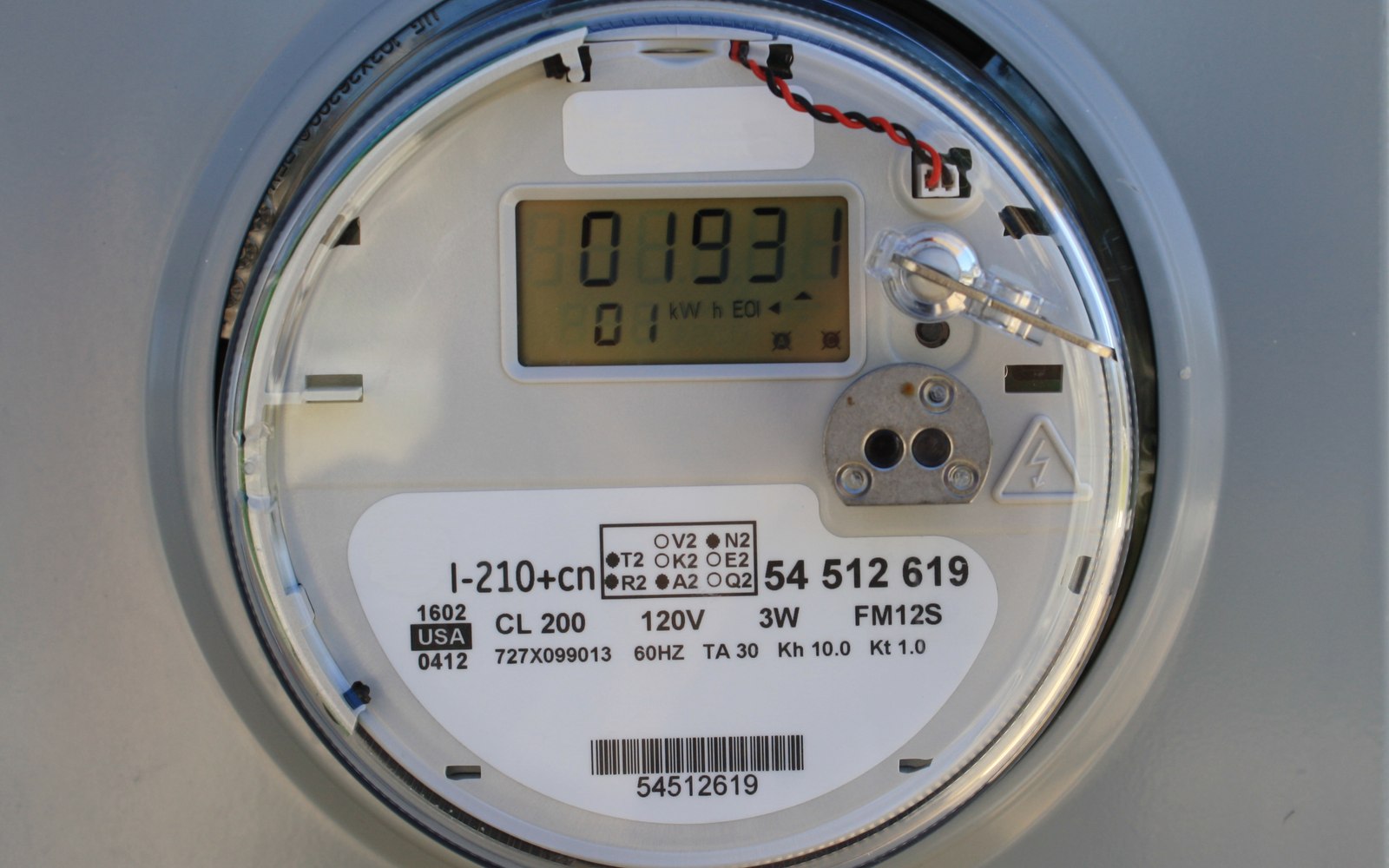
Whole-Home Energy Monitors: What They Can and Cannot Tell You
Use household demand data to understand timing and load before sizing larger energy equipment.
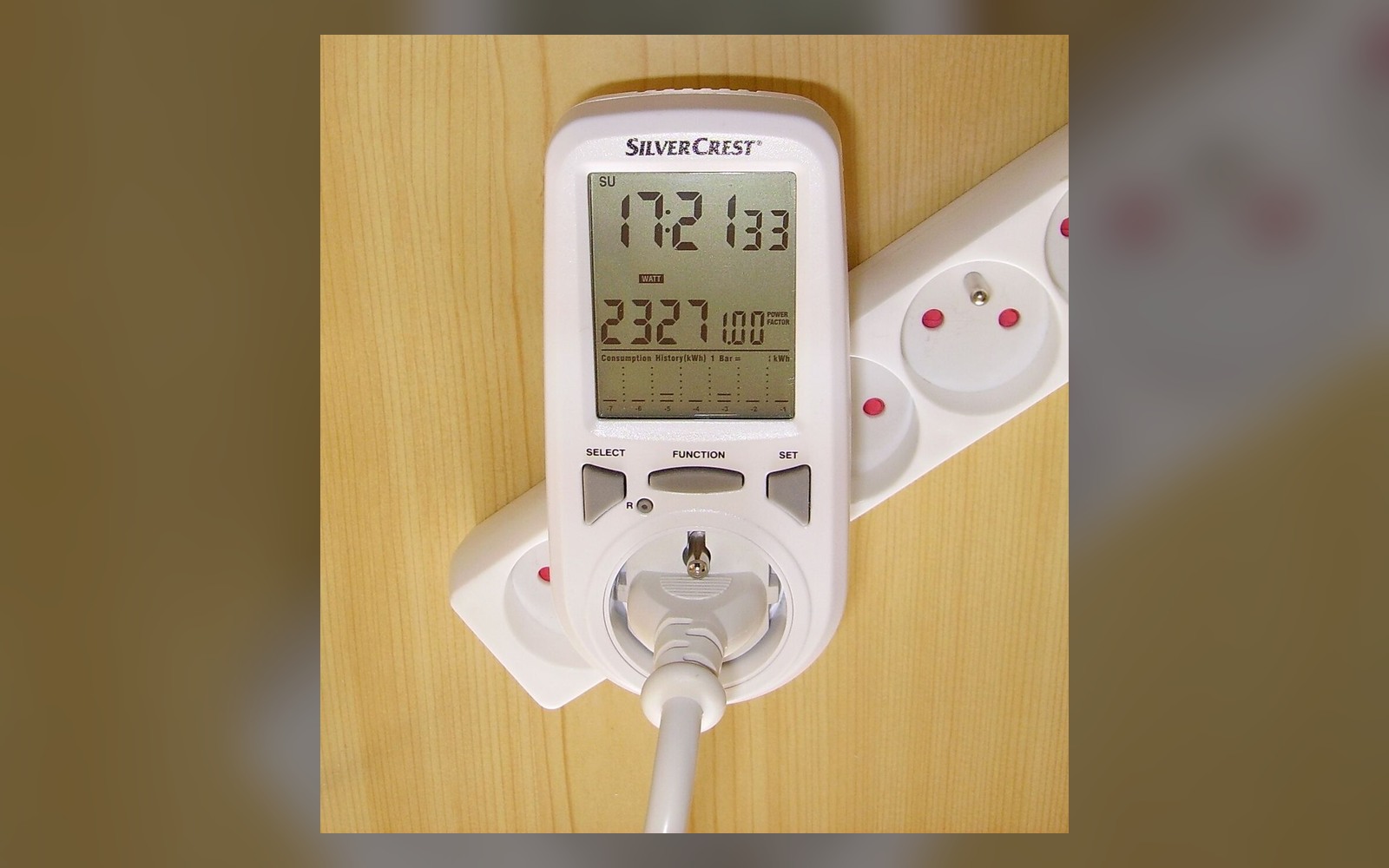
Summer Electricity Costs: Use an Energy Monitor Before Buying Another Gadget
Separate electricity price, equipment runtime and household load before buying more hardware.
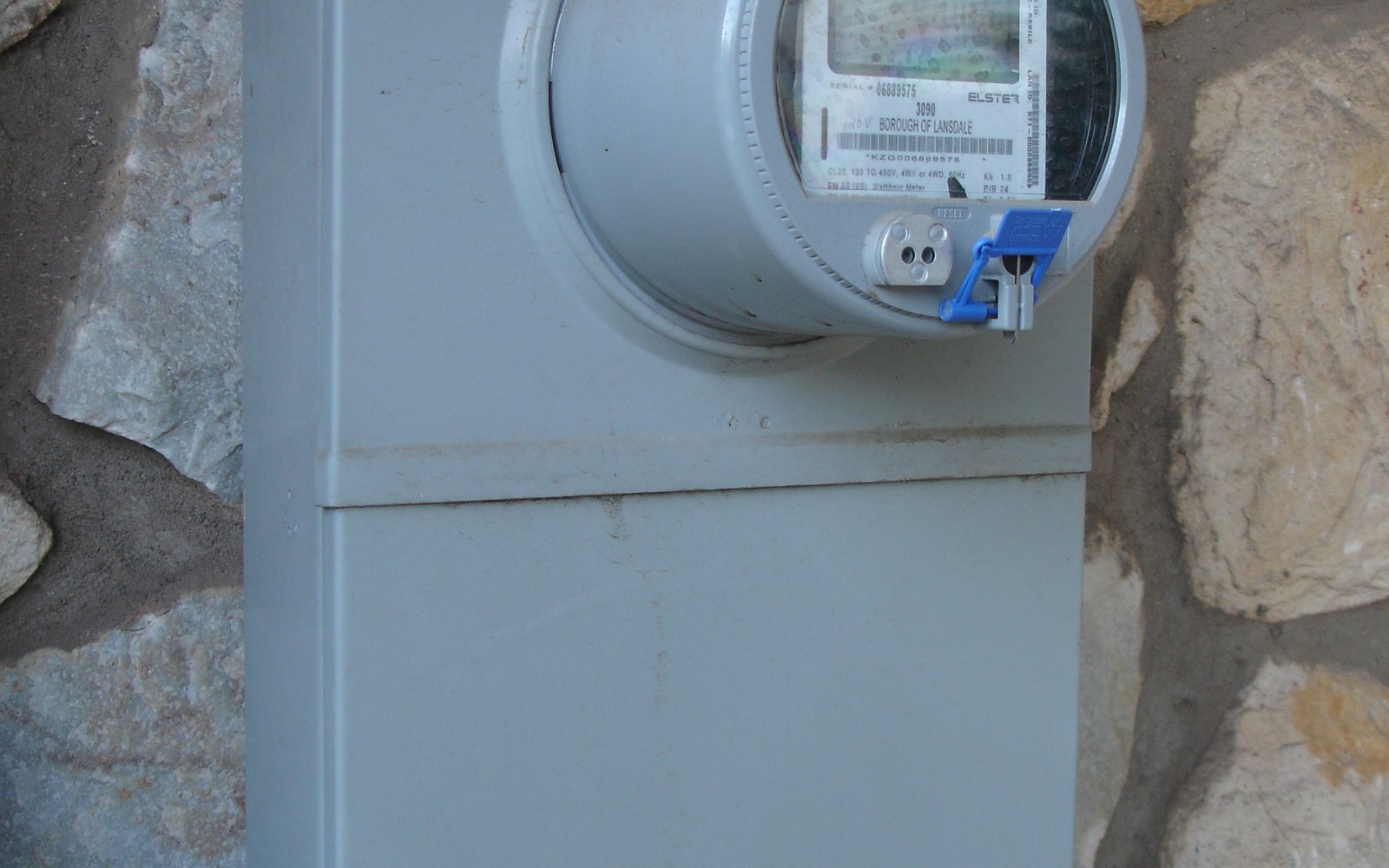
How to Track Standby Power Without Turning Your Home Into a Lab
Measure only the loads that can change a household decision.
Leave a Reply