What the Under-$10 Matter Smart-Plug Trend Really Changes
A Matter smart plug selling for less than ten dollars is important because it lowers the cost of trying cross-platform control. It does not make every plug interchangeable, every appliance safe to automate, or every home network equally reliable.
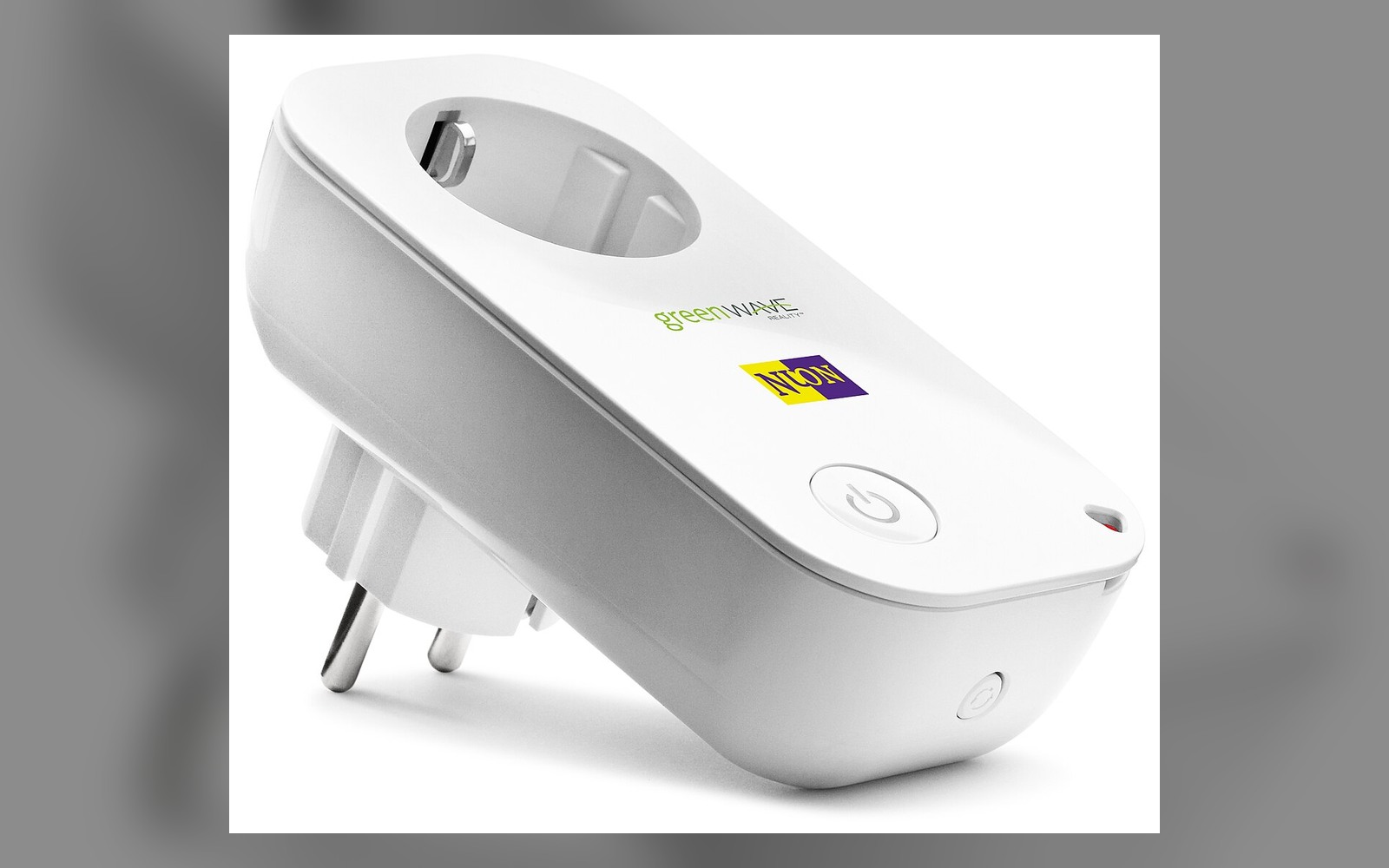
A late-July report from 9to5Mac highlighted an Amazon Basics Matter plug priced below $10 and able to join Apple Home as well as other Matter ecosystems. The price is the headline, but the more useful story is what has moved from premium territory into the entry-level aisle: a mainstream buyer can now expect a small outlet adapter to work across several major control platforms without paying a large ecosystem premium.
That is progress. It is also a good moment to separate the problem Matter solves from the problems it leaves to the product manufacturer, the electrical rating and the room itself.
The price shift matters more than the brand name
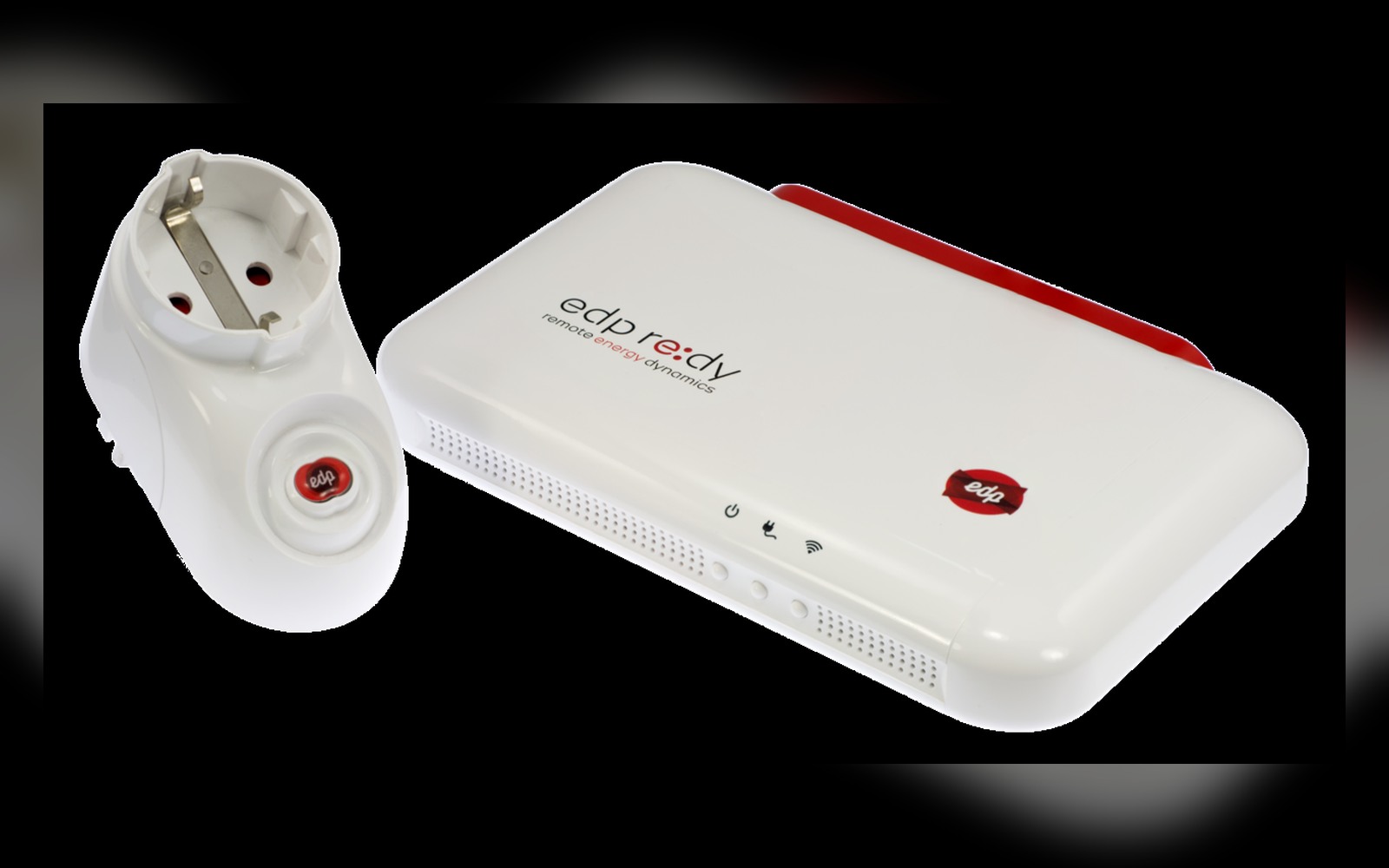
Smart plugs used to be an awkward first purchase. Cheap models were often locked to one app, while products that worked cleanly with Apple Home or several ecosystems could cost enough to make a simple lamp automation feel excessive. Matter changes the software side of that calculation by defining a common way for supported platforms and devices to understand one another.
The Connectivity Standards Alliance certified-products directory now lists many plug families with Matter certification, including Wi-Fi models for North American, UK and EU markets. More competition should make basic on/off control less expensive. It may also reduce the need to select an outlet adapter solely because it belongs to the same brand as a speaker or phone.
For a first-time buyer, that means the sensible default can become: choose the correctly rated regional model, confirm that it is certified, then decide which platform will control it. The app logo no longer needs to be the first filter.
Matter does not mean Thread
One of the most persistent buying errors is treating Matter and Thread as synonyms. Matter is the application standard. A Matter device can communicate over different network transports. Many inexpensive plugs use 2.4 GHz Wi-Fi because the radio hardware is familiar and a home already has a router. Other devices use Thread and require a Thread Border Router in addition to a Matter controller.
A Wi-Fi Matter plug can be perfectly suitable for one or two lamps. It can also add another client to an already crowded router. A Thread plug may respond quickly and help extend a Thread mesh, but only when the home has the required border-router infrastructure. The lower price of a Wi-Fi plug is not automatically a compromise, and the presence of Thread is not automatically worth paying for. Count the devices, check the available hub and choose the network that fits the existing home.
Five checks still matter before checkout
The best first uses are boring and visible
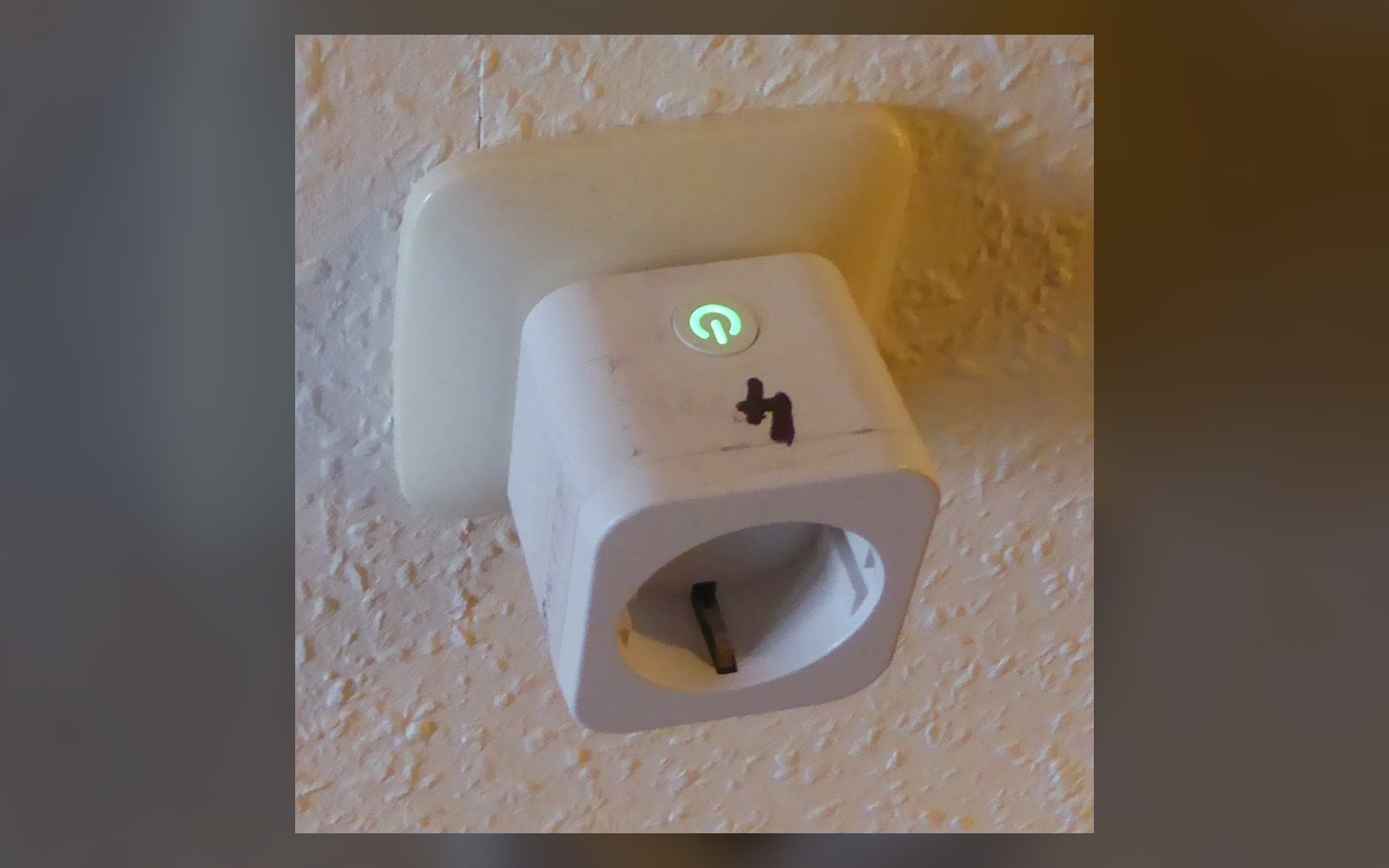
A low-cost plug is most convincing when the routine is simple enough to explain in one sentence. A table lamp can follow an evening schedule. Seasonal lights can turn off at a fixed time. A fan with a mechanical switch can be controlled without reaching behind furniture. A charger used for a known period can be disconnected after the routine finishes.
These uses have three advantages: the result is visible, the appliance is easy to inspect and the user can still reach the ordinary switch. They are better first experiments than high-load heating appliances, cooking equipment or anything that should not restart unattended.
Before automating a heater, dehumidifier, coffee maker or similar appliance, read the appliance manual rather than relying on a social-media routine. Some manufacturers prohibit external switching, some devices do not resume after a power interruption, and some loads exceed the smart plug’s continuous or motor-load rating. Matter cannot override those restrictions.
Cheap plugs make poor assumptions cheaper too
The new price level makes it tempting to buy a multi-pack before testing one outlet. That can turn a small compatibility mistake into four unused devices. Start with one representative location. Pair it to the intended platform, test manual control, watch whether the second socket remains clear and confirm that the appliance returns to the expected state after power is restored.
Also check update behavior. A useful smart plug should receive firmware updates through a documented path and should not require a mystery account for basic maintenance. The Matter setup code should be stored somewhere recoverable but not publicly visible. If the device is reset later, that code may be required again.
What the under-$10 trend does not prove
- It does not prove that all Matter plugs expose identical features in every platform.
- It does not guarantee energy monitoring; basic on/off plugs may provide no wattage data.
- It does not guarantee Thread; many low-cost products use Wi-Fi.
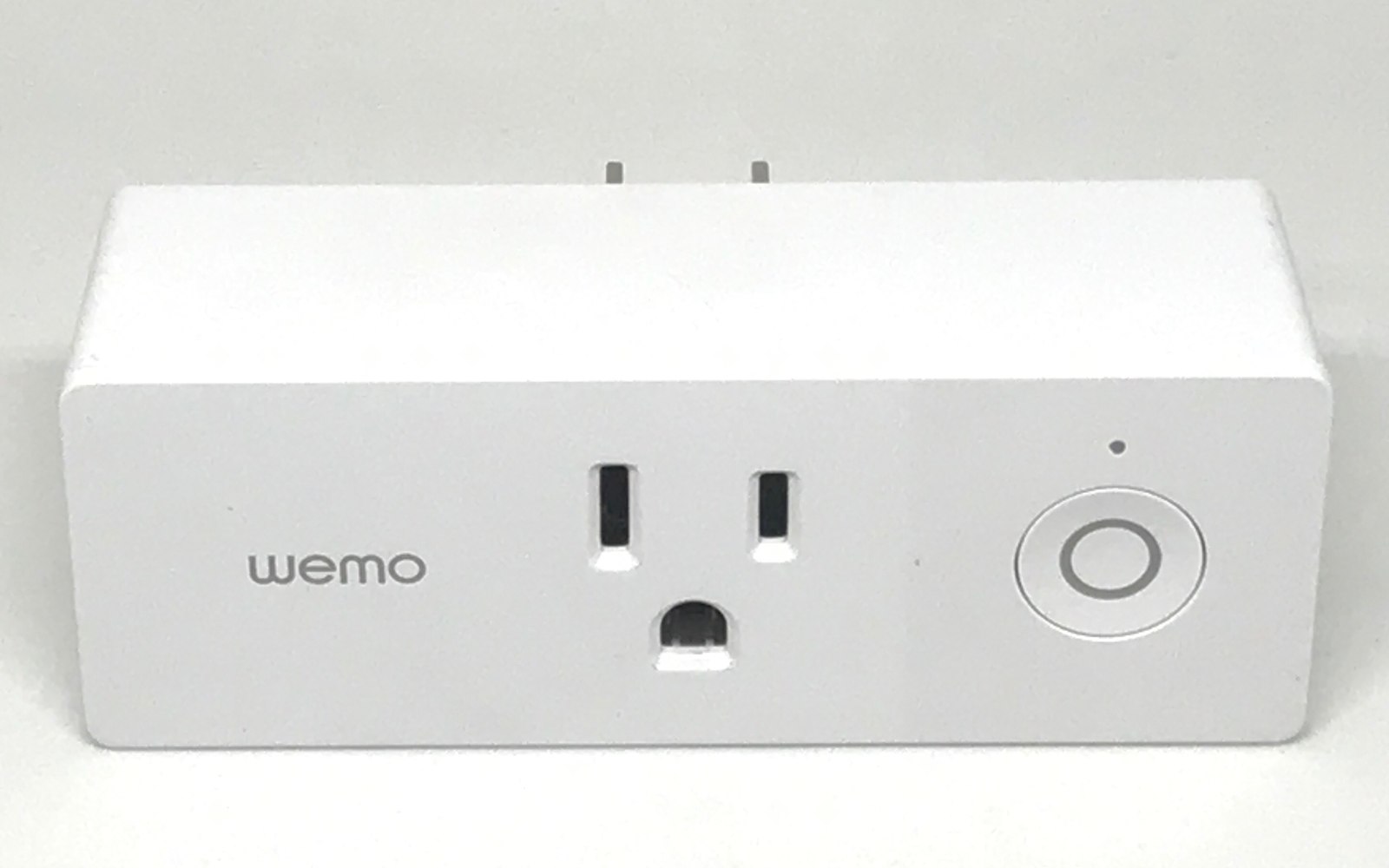
- It does not make a US model suitable for a UK or EU socket, or vice versa.
- It does not make remote switching appropriate for every appliance.
- It does not replace manufacturer guidance, local requirements or a qualified electrician where fixed wiring or a damaged outlet is involved.
A practical buying decision
The low-price Matter plug is a useful signal: cross-platform support is becoming a basic feature instead of a luxury. For one lamp or a clearly defined routine, an inexpensive certified model can be the right place to start. Pay extra only when the higher-priced option adds something the room will use, such as energy monitoring, a better manual button, Thread, stronger warranty support, a slimmer body or a more suitable load rating.
If the purchase still depends on vague promises such as “works with everything,” return to the exact SKU. Check it in the certification directory, read the current manufacturer specifications and confirm the regional model. The protocol should simplify the decision, not end the inspection.
Quick questions
Do I need a hub? You need a Matter controller for the platform you want to use. A Thread-based plug also needs a Thread Border Router; a Wi-Fi Matter plug does not use Thread.
Will the plug work without the internet? Local behavior depends on the platform, controller and device implementation. Test local control rather than assuming that every function is cloud-independent.
Can it measure electricity use? Only if the exact model lists energy monitoring. Matter compatibility alone does not add a power meter.
Can I use it with a space heater? Treat heating appliances as a separate safety decision. Check the plug and appliance ratings and the manufacturer’s instructions; do not use remote switching where the appliance is not explicitly suitable.
Sources and further reading
Matter Smart Plugs Explained for US and UK Homes
Check regional plug shape, voltage, hubs and app support before treating Matter as a universal hardware guarantee.
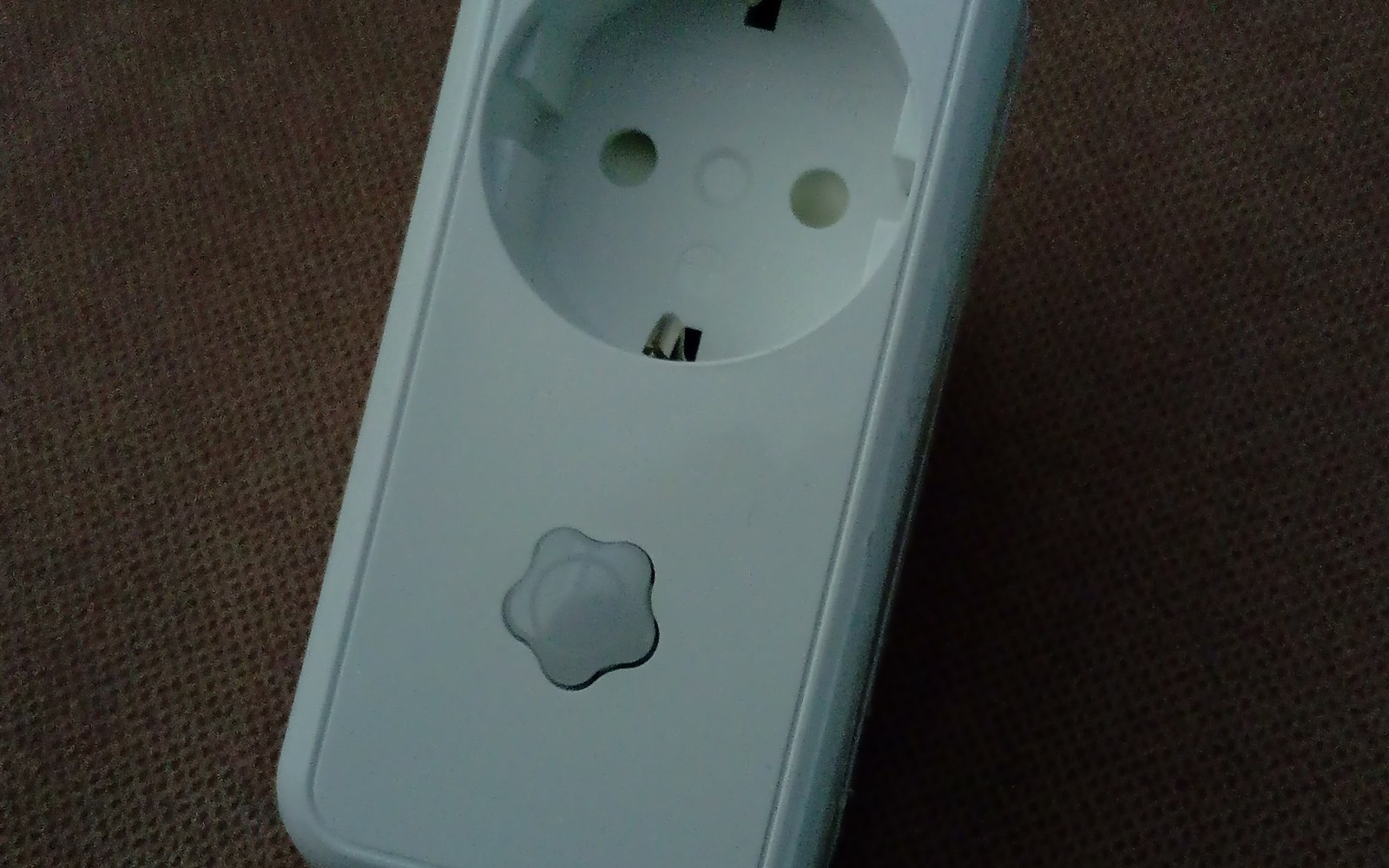
Best Smart Plugs for Everyday Appliance Control
Match a smart plug to the appliance, outlet clearance, manual control and the routine you actually want to automate.
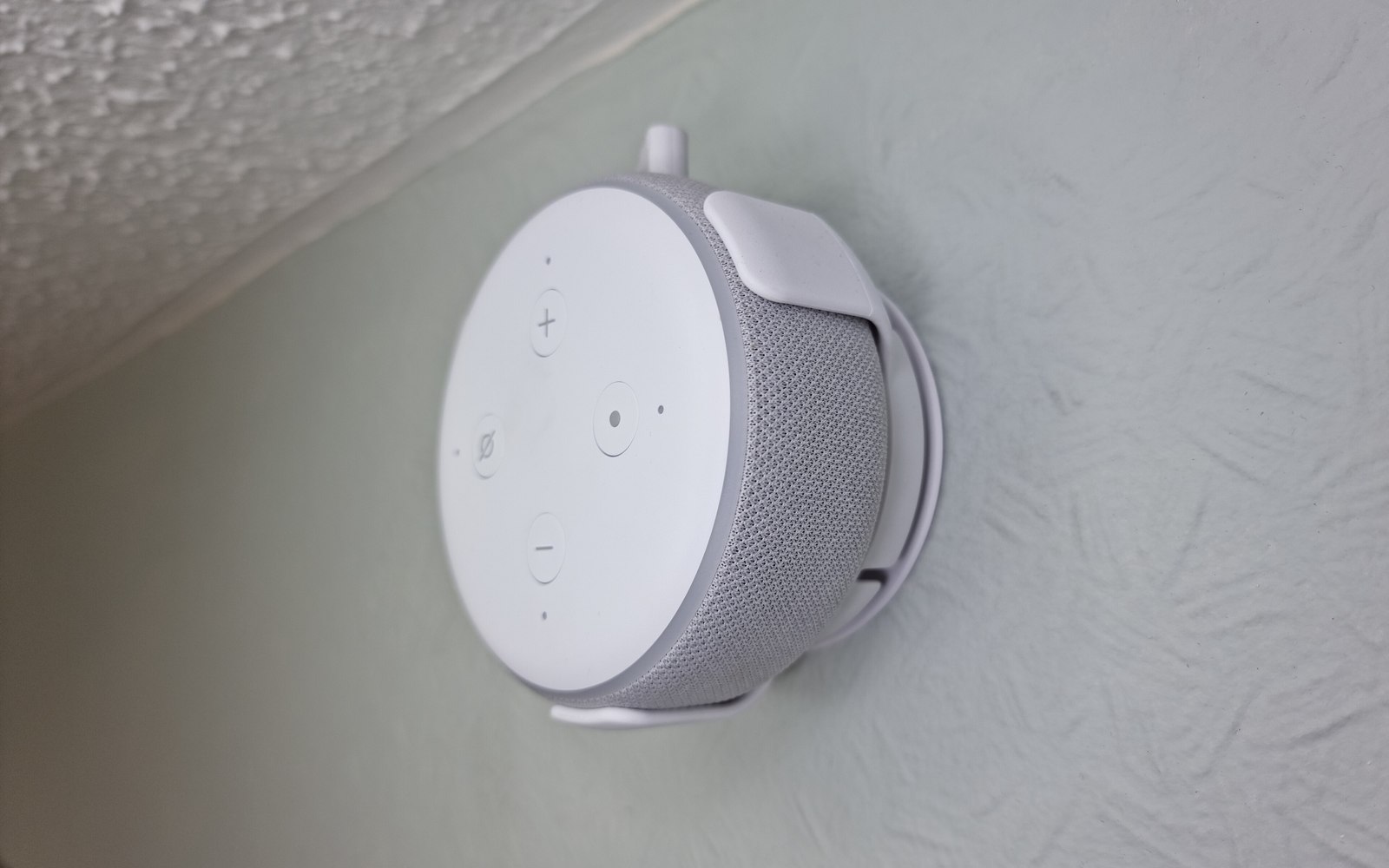
What Matter, Thread, Zigbee, and Wi-Fi Mean for Buyers
Separate the application layer from the radio network so the compatibility labels make practical sense.
Leave a Reply