Heat-Pump Water Heaters Are Becoming Thermal Batteries: Is One Worth It in 2026?
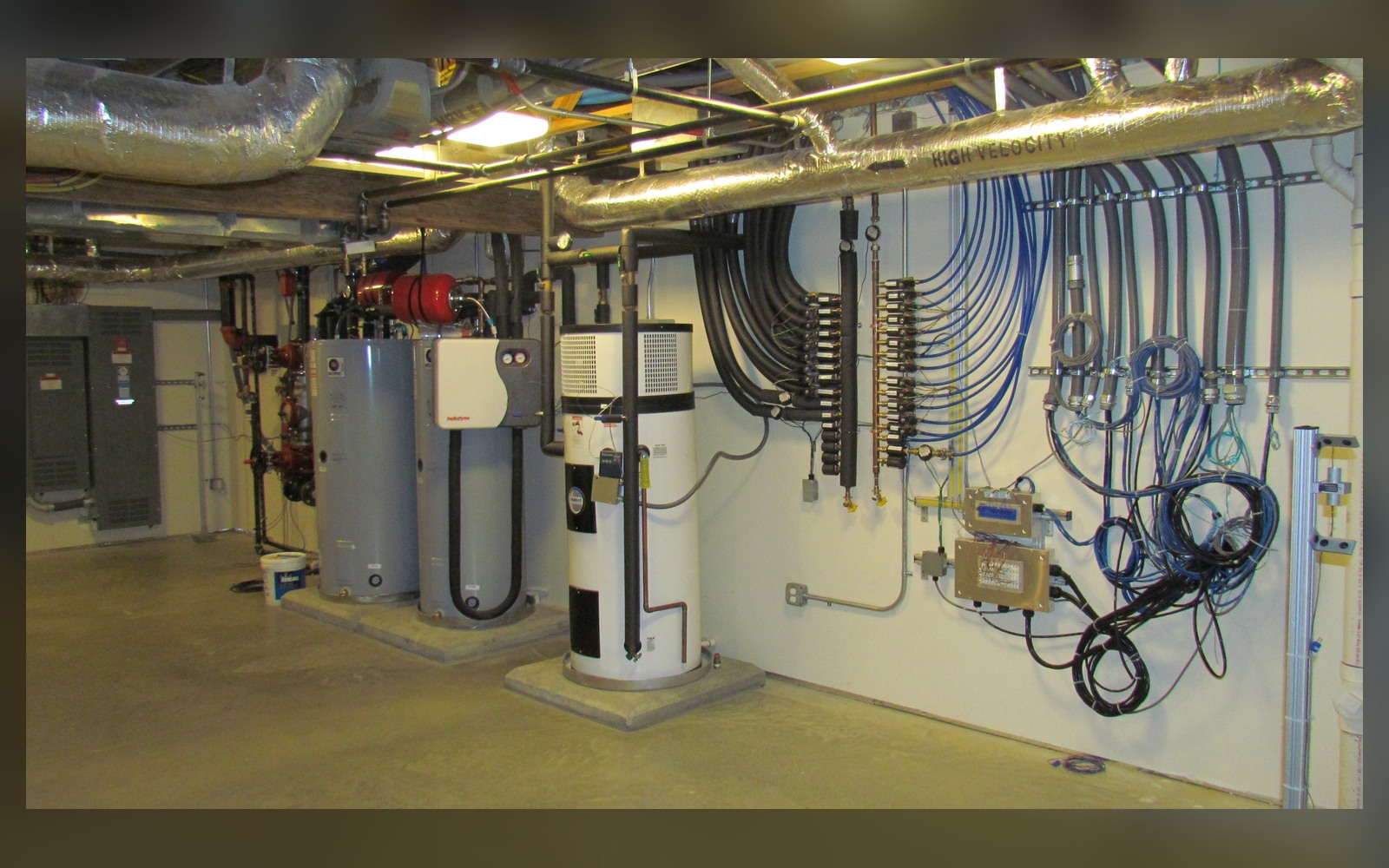
A heat-pump water heater does not store electricity like a lithium battery. It stores useful heat in a tank. That distinction matters because hot water can be produced when electricity is cheaper or cleaner, then used hours later without the household noticing a change in routine.
In July 2026, researchers and energy analysts were paying more attention to ordinary water heaters as flexible household energy assets. The idea is practical rather than futuristic: water heating is a large, recurring load, the tank already stores energy, and modern controls can move some heating away from expensive periods.
For a homeowner, however, “thermal battery” should not become another vague technology label. The buying decision still depends on space, climate, hot-water demand, installation cost, electricity prices and whether the equipment can operate quietly and comfortably in the intended location.
How a heat-pump water heater differs from a standard electric tank
A conventional electric resistance heater passes electricity through heating elements. A heat-pump water heater uses a refrigeration cycle to move heat from the surrounding air into the tank. Because it moves heat rather than creating all of it directly, it can use substantially less electricity for the same amount of hot water.
Most units also contain resistance elements. These can help during high demand, very cold conditions or recovery after the tank has been heavily used. The operating mode determines how aggressively the unit relies on the heat pump, the resistance elements or both.
ENERGY STAR says certified heat-pump water heaters can use roughly 70% less energy than a standard electric water heater, although actual household savings depend on usage, location, electricity rates and the equipment being replaced. That is a useful benchmark, not a promise for every home.
Why the tank can act like a battery
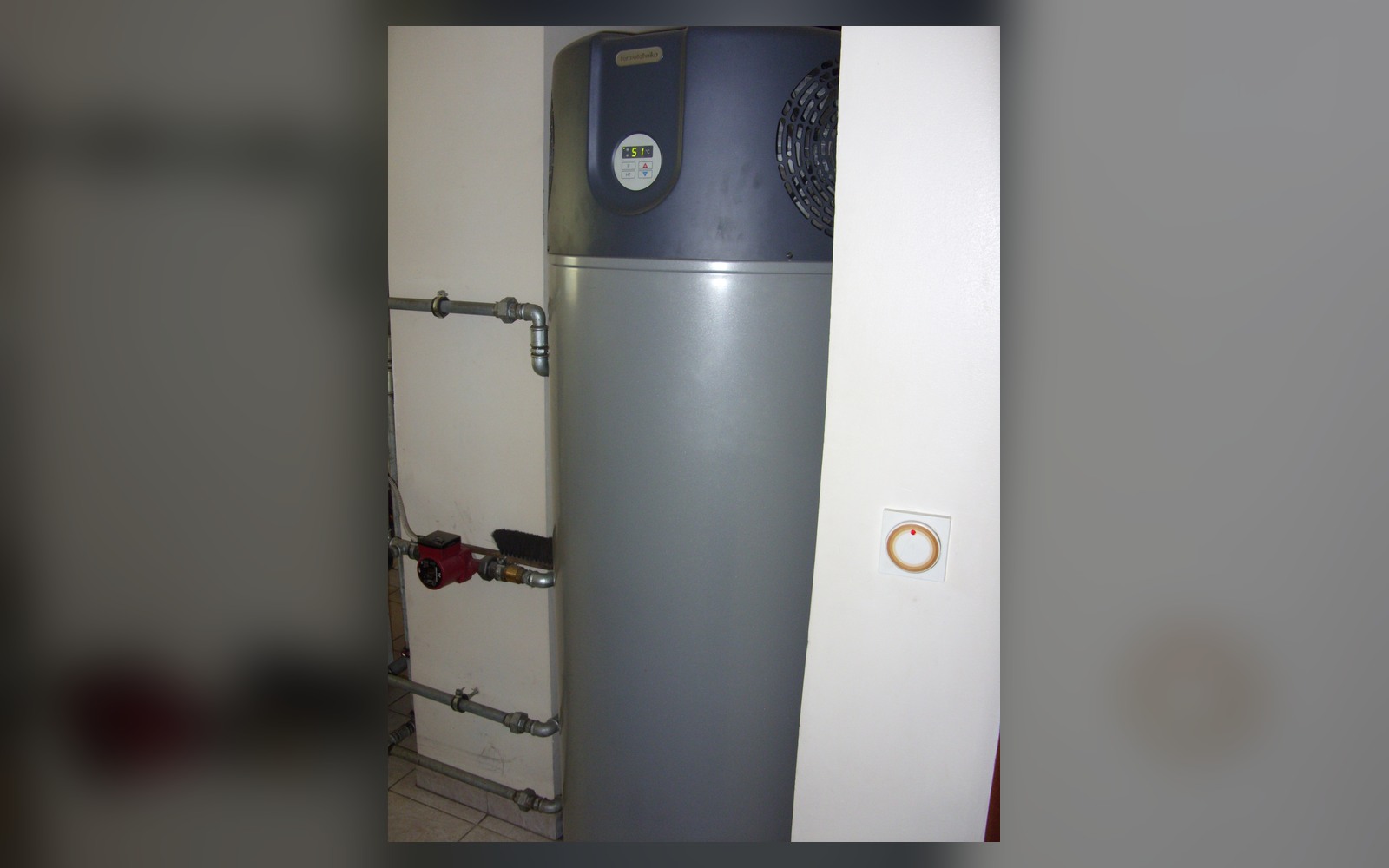
The tank stores hot water after the compressor stops. If the household normally needs hot water at 7 a.m. and 7 p.m., the heater does not always need to draw electricity at those exact times. It may be able to heat the tank earlier, during a lower-priced tariff window or when rooftop solar is producing.
This is load shifting. The appliance consumes electricity at one time and delivers the useful service later. A larger tank, sensible temperature settings and good insulation can create more flexibility, but the household must retain enough hot water for showers, cleaning and other normal use.
The household questions that matter more than the efficiency label
Where will the unit take heat from? A heat-pump water heater cools and dehumidifies the surrounding air. In a warm garage or utility room, that may be useful. In a small conditioned room, it can make the heating system replace some of the extracted heat during winter.
Is there enough air and clearance? Manufacturers specify room volume, ducting options and clearances. A cramped cupboard that worked for a resistance tank may not suit a heat-pump model.
Where will condensate go? The heat pump removes moisture from the air. The installation needs an appropriate condensate route and must follow manufacturer instructions and local requirements.
Will the noise be acceptable? The compressor and fan create sound. Check published sound ratings and consider bedrooms, home offices and shared walls.
How quickly must the tank recover? A family with simultaneous morning showers needs a different design from a one-person household with light use. Tank size and operating mode often matter more than the highest advertised efficiency figure.
What the 2026 “flexible water heater” trend really means
Utilities and researchers are exploring how many water heaters can be coordinated without disrupting households. A participating appliance might heat a little earlier, pause during a short expensive period, or use more electricity when renewable generation is abundant.
This is not a universal feature. Some programmes need a compatible connected controller, utility enrolment or a specific appliance model. Others may use a separate control device. Compensation and availability differ by region, and households should understand who can change the schedule and how comfort is protected.
The appeal is scale. One water heater is a modest load, but millions of tanks have meaningful combined flexibility. Unlike asking a household to delay a shower, the control system can work with the stored hot water already available.
Estimate the saving from the old appliance, not from a generic average
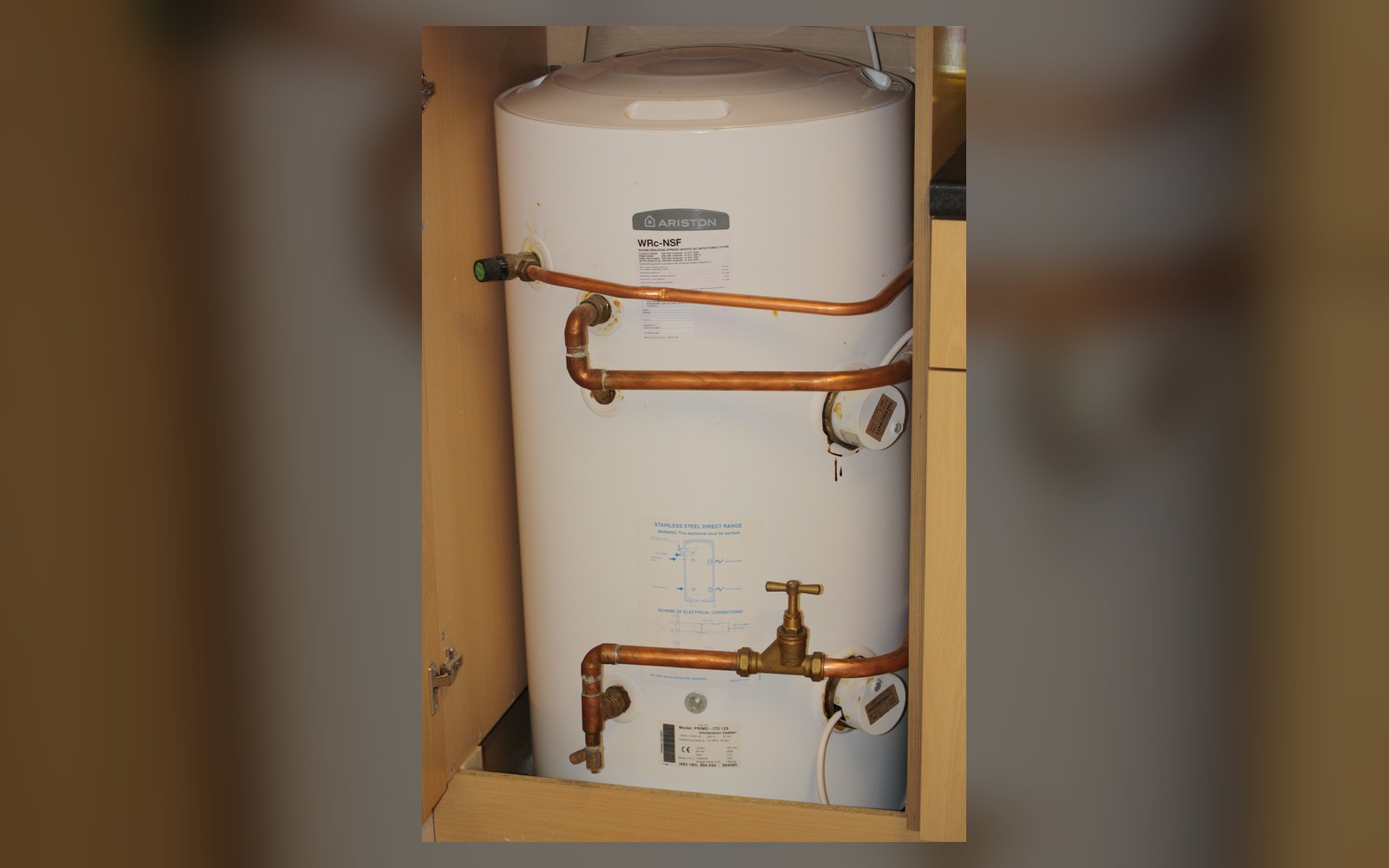
The strongest upgrade case is often replacing an older electric resistance water heater in a home with substantial hot-water use. The comparison may be less straightforward when replacing gas, oil, propane or an efficient existing system because fuel prices, venting changes and installation work alter the calculation.
Start with the current annual energy use if it is available. Some utilities estimate water-heating consumption; a whole-home monitor may reveal the operating pattern of an electric tank. Then compare the proposed unit’s expected annual consumption and local electricity price.
Do not count the same benefit twice. If an annual-energy estimate already assumes efficient heat-pump operation, a separate tariff-shifting estimate should cover only the additional value from moving electricity to a cheaper period. Our article on whole-home energy monitors explains why circuit estimates should be checked against actual billing data.
Running modes are not interchangeable
Heat-pump or efficiency mode usually relies most heavily on the compressor. It can be efficient but may recover more slowly after heavy use.
Hybrid mode balances the compressor and resistance elements. It may be a practical everyday setting for a family with variable demand.
High-demand mode uses more resistance heat to recover quickly. This can preserve comfort but reduce the expected saving.
Vacation mode reduces unnecessary heating during an absence while maintaining the appliance’s required protective functions.
Names and behaviour vary by manufacturer. The household should understand what the selected mode does rather than assuming “smart” always means minimum cost.
Time-of-use tariffs can help, but only with a workable schedule
A connected water heater may be scheduled to do more heating before an evening peak. That works best when the tank is large enough to carry the household through the expensive window without repeatedly calling the resistance elements.
In a solar home, midday heating can absorb electricity that might otherwise be exported at a low rate. In a non-solar home, overnight or daytime off-peak charging may be useful. The relevant windows differ across US utilities and UK tariffs, so use the exact plan rather than a national average.
Temperature settings must remain within manufacturer guidance and public-health requirements. Do not raise tank temperatures simply to store more heat without understanding scald protection, mixing valves and local standards. Installation and changes to fixed wiring or plumbing belong with qualified professionals when required.
A practical quotation checklist
- Model number, tank capacity and first-hour hot-water rating
- Expected annual electricity use for the household size and climate
- Efficiency, hybrid and high-demand mode behaviour
- Required room volume, clearances and ducting options
- Condensate drainage plan
- Noise rating and proposed location
- Electrical-circuit and service requirements
- Warranty terms for the tank, compressor and controls
- Connected-control features and what still works without cloud access
- Available rebates, grants or utility programmes in the exact postcode or service territory
US and UK households will see different product choices
Heat-pump water heaters with an integrated tank are common in the US market. UK homes more often use different combinations of heat pumps, cylinders and controls. The principle of storing heat remains relevant, but product architecture, available space, plumbing practice and tariffs differ.
In England and Wales, the Boiler Upgrade Scheme is focused on eligible low-carbon heating installations rather than treating every water-heating appliance the same way. From July 2026, some eligible off-gas-grid homes could receive a higher grant for a qualifying heat-pump installation. Check the current government rules and installer eligibility before using a grant in any calculation.
Who should consider the upgrade first
- Households replacing an ageing electric resistance tank
- Families with predictable, substantial hot-water demand
- Homes with a suitable garage, basement or utility area
- Solar households exporting midday electricity at a low rate
- Time-of-use customers who can heat water outside expensive periods
- Owners planning a wider home-electrification project
It may be a poor fit where the only available location is very small, the noise would affect living spaces, hot-water demand repeatedly exceeds the tank’s recovery capability, or installation costs overwhelm the expected energy saving.
Quick questions
Is a heat-pump water heater literally a battery? No. It stores heat, not electricity. “Thermal battery” describes the ability to produce hot water at one time and use it later.
Will it cool the room? Usually, yes. It removes heat from the surrounding air unless the design uses ducting. The effect depends on location and operating time.
Can it run entirely on rooftop solar? A schedule can favour solar hours, but clouds, seasonal production and hot-water demand mean grid electricity may still be needed.
Does a bigger tank always save more? No. More stored hot water can increase flexibility, but purchase cost, standing losses, space and recovery requirements must remain proportionate.
Sources and further reading
Smart Thermostat Compatibility Checklist Before You Buy
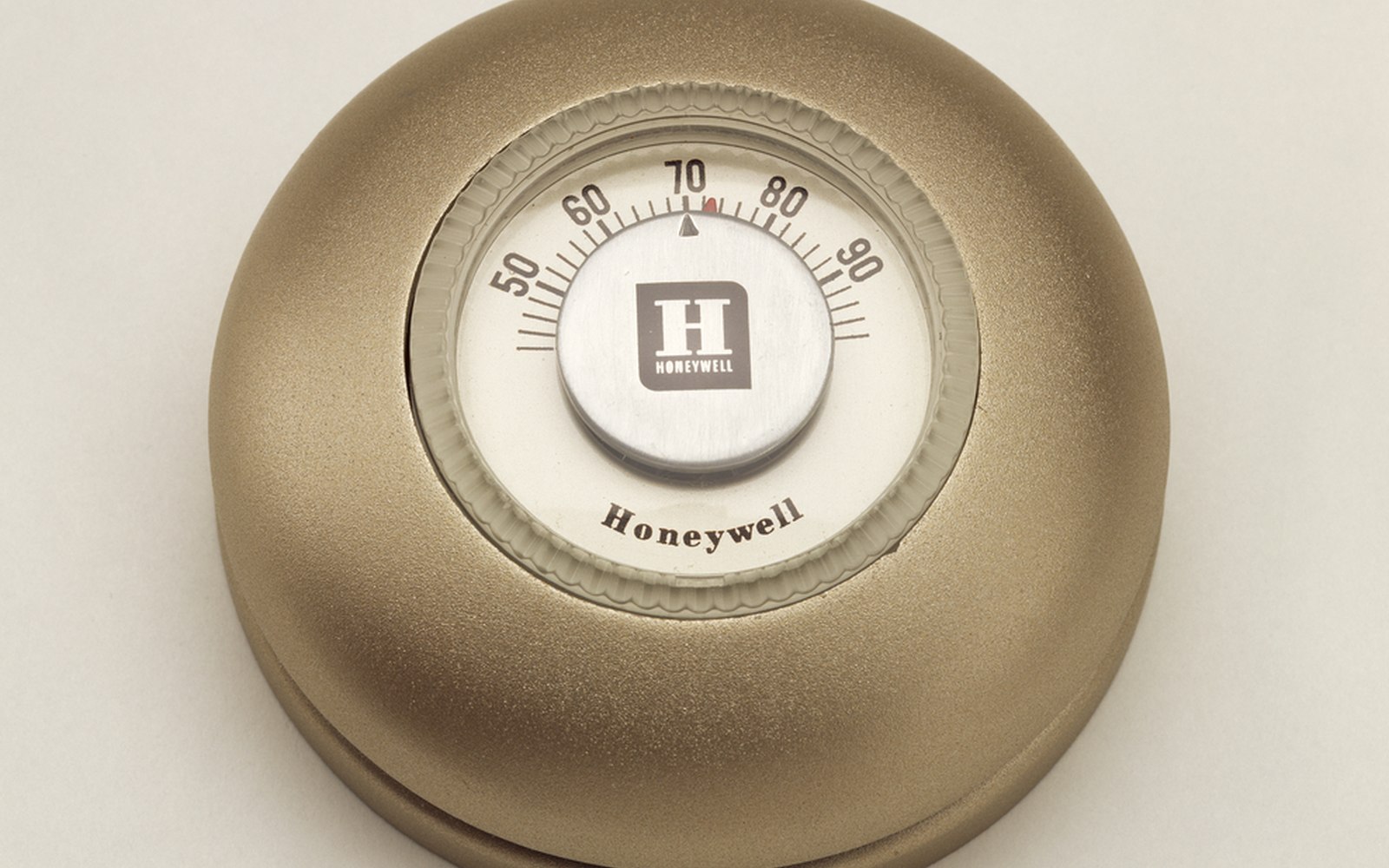
Confirm the heating system, controls and regional model before choosing connected equipment.
Utility-Room and Garage Power Upgrades That Stay Practical
Plan access, ventilation and realistic loads before filling a utility area with equipment.
Whole-Home Energy Monitors: What They Can and Cannot Tell You
Use interval patterns to compare heating and water-heating decisions.
Leave a Reply