EV Charger, Heat Pump or Induction: Do You Need a 200-Amp Service in 2026?
Adding an EV charger, heat pump, induction range or electric water heater does not automatically mean a US home needs a 200-amp service. In 2026, smart load-management equipment can sometimes keep large appliances from demanding their maximum power at the same moment. The right answer still begins with a professional load calculation and the requirements of the local utility and electrical authority.
The old assumption was simple: more electric appliances require a larger service. That remains true for some homes, especially where the existing equipment is old, damaged, full or already heavily loaded. But manufacturers are now integrating smart breakers, load controllers, EV chargers, batteries and energy-management software in ways that can reduce coincident demand.
July 2026 partnerships between major electrical-equipment and home-storage companies brought this idea into wider view. The important household benefit is not a more colourful app. It is the possibility of sequencing flexible loads so a home can electrify without paying for unnecessary capacity.
Service size and energy use are different problems
Electricity bills normally measure energy in kilowatt-hours. Electrical-service planning is concerned with how much power the home may demand at one time. A household can use a moderate amount of energy over a month but still have a high short-term demand if an EV charger, electric range, dryer, water heater and heating system operate together.
A 200-amp label therefore does not describe monthly consumption. It describes part of the home’s electrical capacity. The available capacity also depends on voltage, panel configuration, existing loads, utility equipment and local rules.
Do not decide by adding every appliance nameplate as though all equipment runs at full output continuously. Electrical codes use load-calculation methods that account for how different loads are expected to operate. That calculation should be completed by a qualified electrician or designer for the actual property.
What smart load management actually does
A load-management system measures or estimates household demand and changes the operation of selected flexible loads. It might reduce EV charging when cooking demand rises, pause a water heater for a short period, or prevent two high-power appliances from starting together.
The system does not create extra utility capacity. It uses the existing capacity more deliberately. This works because many household loads are flexible for minutes or hours without changing the service they provide.
The equipment categories are easy to confuse
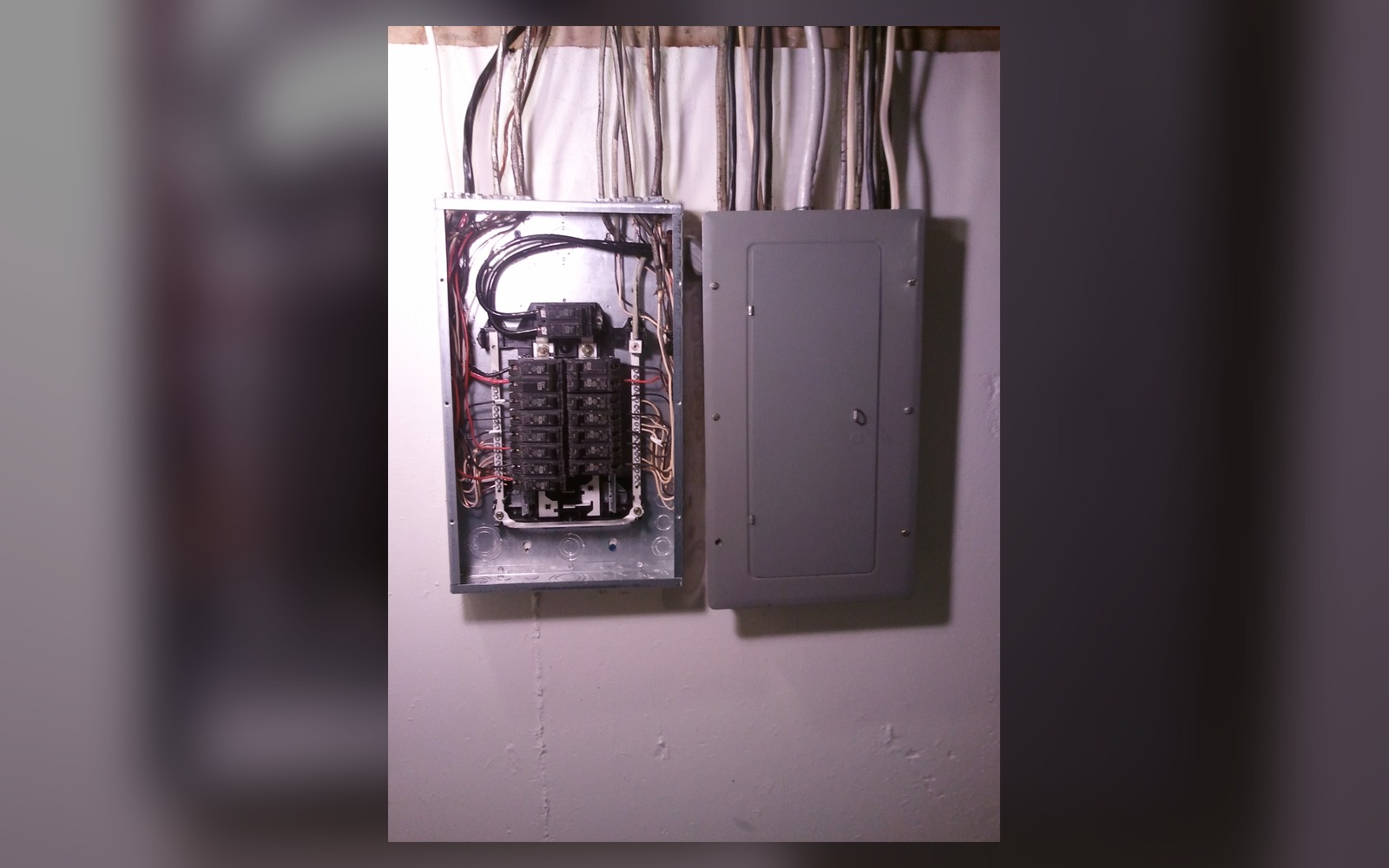
A full smart panel combines circuit hardware, monitoring and control in a replacement or new panel. It can offer detailed circuit visibility and configurable load priorities.
Smart breakers add monitoring or control to compatible panel positions. Compatibility is specific; a breaker should never be selected only because it appears to fit.
A standalone load controller manages one or several large loads without replacing every breaker. This can be a targeted option for an EV charger or other flexible appliance.
A managed EV charger adjusts charging based on household demand, tariff or solar production. It may solve the immediate charging problem without turning the entire panel into a connected system.
A home-energy gateway coordinates solar, a battery and selected loads. Its priorities may be bill optimisation, self-consumption or system operating limits.
These products overlap, but they are not interchangeable. Ask which problem the quotation solves and which loads it can actually control.
When a service upgrade may still be the right answer
Smart control is not a reason to preserve unsafe or obsolete equipment. A replacement may be justified when the panel is damaged, has known safety concerns, lacks suitable spaces, cannot accept the required equipment, or fails to meet current project requirements.
The utility service, meter equipment and conductors may also need work even if a new panel is installed. In some areas, transformer or utility-side constraints affect timing and cost. A project that adds several major loads may be simpler and more durable with a properly designed capacity upgrade.
- The existing equipment is in poor condition or has a documented safety issue.
- The load calculation exceeds available capacity even with realistic management.
- Critical loads cannot be interrupted or reduced as the control plan requires.
- The proposed management hardware is not approved for the panel or local installation.
- The homeowner wants future capacity that cannot be delivered reliably by sequencing loads.
- The utility or local authority requires an upgrade for the specific project.
Why maximum EV charging speed is often the wrong target
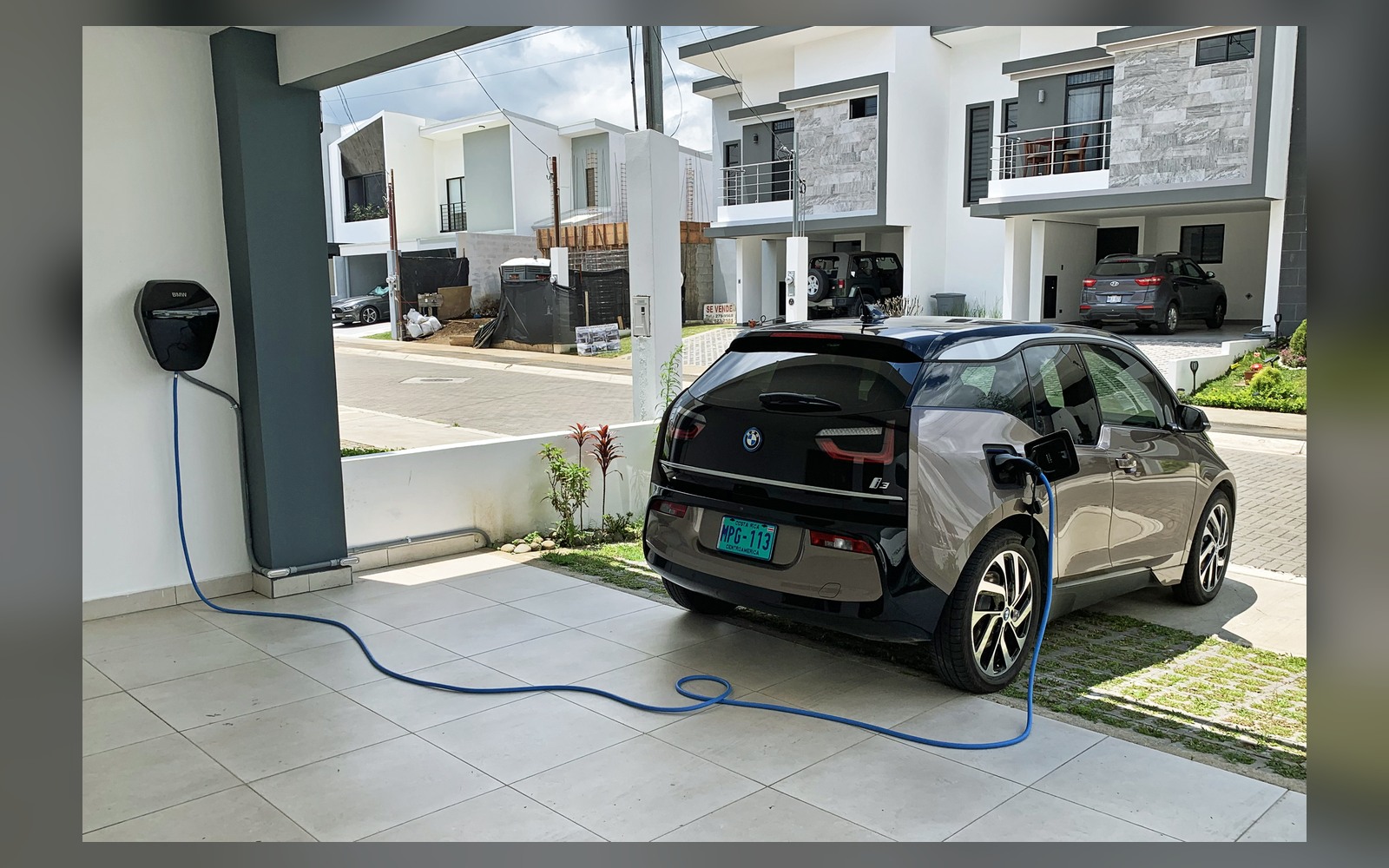
A household should begin with daily driving and the time the vehicle is normally parked. A car that needs 30 kWh overnight and remains connected for ten hours requires an average of roughly 3 kW, before charging losses. That does not mean the charger must be limited to 3 kW, but it shows why the highest available charging rate may add cost without changing daily life.
Dynamic load management can allow faster charging when the house is quiet and reduce it when cooking, heating or water heating raises demand. This is different from a fixed low-power charger because the available capacity changes automatically.
Confirm that the charger, controller and vehicle behave correctly after a communication loss. The owner should know whether charging pauses, falls back to a safe fixed current or requires manual intervention.
Home batteries and smart panels are becoming more closely linked
Battery systems benefit from knowing which household loads matter most and how much power they draw. Smart breakers and load controllers can provide that information and keep large loads within the battery system’s output limits. In July 2026, Eaton and FranklinWH announced an integration focused on residential load control and home-energy management.
For a buyer, integration should be verified at the model level. A logo on a partner page does not prove that every breaker, gateway, battery, tariff and regional version works together. Ask for the supported-equipment list and what functionality is available on the installation date.
Also ask what happens if the cloud service, subscription or internet connection is unavailable. Essential protection must remain local. Scheduling and dashboards may be less critical, but the fallback behaviour should be clear.
A better sequence for planning home electrification
1. List the current and planned loads. Include heating, cooling, water heating, cooking, laundry, EV charging, pools, workshops, solar and batteries.
2. Record operating patterns. Note which loads are likely to overlap. A heat pump in a cold climate has a different pattern from air conditioning in a mild coastal area.
3. Obtain a formal load calculation. Use the method required by the applicable code and authority. Interval data can add context but does not replace required calculations.
4. Compare three designs. Ask for the cost and limitations of an upgrade, a managed-load design and a staged project that leaves room for future work.
5. Confirm approvals and interoperability. Check utility, permit, manufacturer and local inspection requirements before equipment is purchased.
6. Document the control priorities. The household should know which load is reduced first and how to override a schedule when appropriate.
Questions to ask in quotations
- What load calculation method was used?
- Which existing loads drive the result?
- Which new loads are controlled, and in what order?
- What happens if the controller loses internet or local communication?
- Can the system work with a future solar array or home battery?
- Is the equipment listed and approved for the exact panel and region?
- Are software access or subscriptions required?
- Who supports the system if the electrician, charger company and energy platform point to one another?
- Does the design leave a practical route for later expansion?
US and UK terminology will not match
US homeowners often discuss 100-amp, 150-amp or 200-amp services. UK households more commonly encounter single-phase supply limits, main-fuse ratings, distribution-board capacity and diversity calculations. The broader question is the same: can the property support the planned loads safely, and can flexible loads be managed instead of all operating at maximum power together?
Equipment certification, utility permission and installation practice differ. Do not import a design from another country based on a similar app screen. Follow local requirements, manufacturer guidance and the advice of qualified professionals.
Where smart control offers the clearest value
Smart load management is most compelling when one or two flexible loads create the capacity problem, the existing equipment is otherwise serviceable, and the control system has a clear approved integration. EV charging is a common example. Water heating and battery charging can also be flexible.
It is less compelling when the panel itself needs replacement, the home already operates near its limit for long periods, or the household expects several additional loads that cannot be interrupted. In those cases, a capacity upgrade may prevent a series of temporary workarounds.
Before committing, review actual household demand. The whole-home monitoring guide explains how interval data can support planning, and the thermostat compatibility checklist shows why regional hardware details matter.
Quick questions
Does every EV charger require a 200-amp service? No. The result depends on the existing service, household loads, charger design, required charging rate and local calculation.
Can a smart panel make an unsafe panel acceptable? No. Condition and safety come before connected features.
Will load management increase my electricity bill? It may change when loads operate. Cost depends on the tariff and schedule. On a time-of-use plan, good scheduling may reduce cost.
Can I install load-management equipment myself? These systems interact with fixed electrical equipment and major loads. Use qualified professionals and follow manufacturer, utility, permit and local requirements.
Sources and further reading
Whole-Home Energy Monitors: What They Can and Cannot Tell You
Understand what household demand data can support before planning major electrical work.

Smart Thermostat Compatibility Checklist Before You Buy
Compatibility depends on the actual system rather than the app feature list.
Utility-Room and Garage Power Upgrades That Stay Practical
Plan circuits and equipment locations around real household use.
Leave a Reply