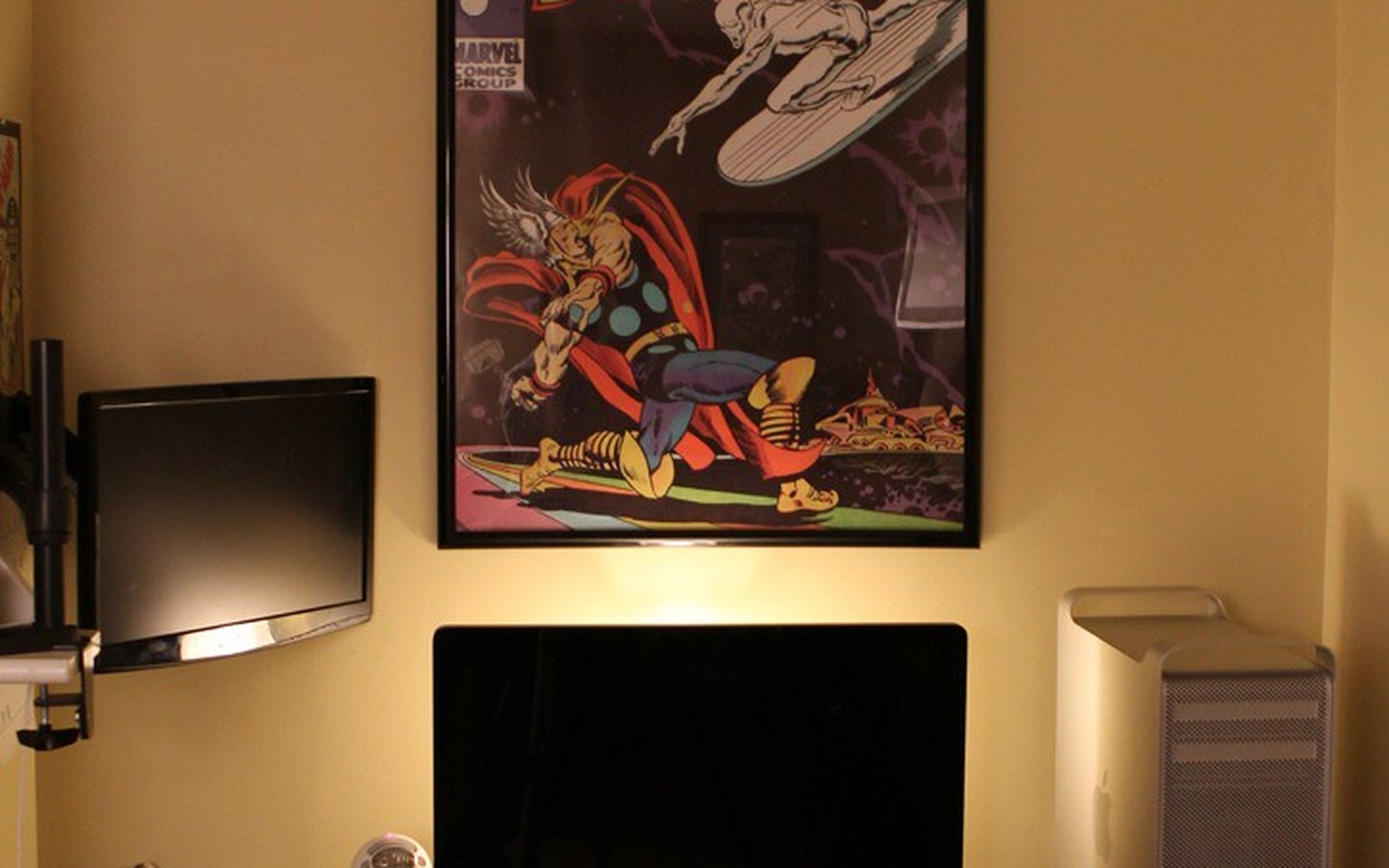
Best LED Strip Lights That Do Not Look Cheap
Best LED Strip Lights That Do Not Look Cheap should be judged from the room outward. Start with the socket, fixture, meter, radiator or desk where the device will live, then decide whether the smart feature makes that spot cleaner, safer or easier to control.
Watt Atelier treats this as a visible-home decision, not a spec-sheet race. The right answer should pass three tests: it fits the room, it stays understandable for people who do not manage the app, and it respects the electrical boundary of the product category.
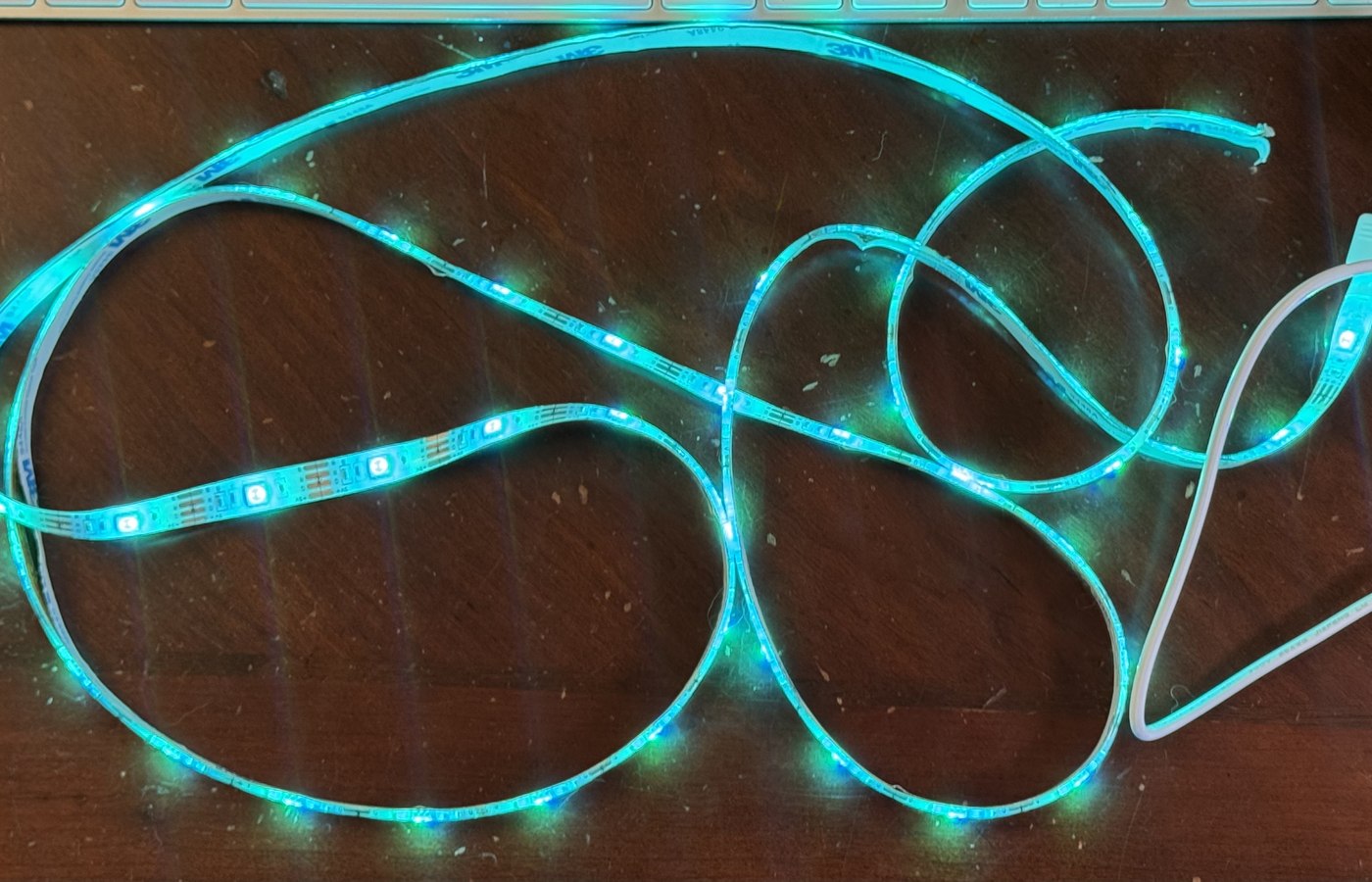
Fit, control and visibility
The first pass is not brand research. It is a physical audit of shelves, cabinets, TV walls and under-counter lines. Note the nearest outlet, the direction a cable must leave, the height of the switch or display, the heat around nearby appliances and the person who will use the control when the app is not open.
This matters because leaving dots visible, exposing the power brick or using cool light in a warm room. A product that looks neat in a studio photo can become the messiest object in the room once a plug, adapter, cable loop or oversized power brick is attached.
Write down the constraint before reading reviews. A living room lamp may need warmer dimming more than color effects. A router shelf may need backup runtime more than app automation. A desk may need a shorter cable and better port spacing before it needs another connected device.
Ranking logic for this category
A believable best list for best led strip lights that do not look cheap should not rank products by star ratings alone. It needs lanes that reflect how homes differ: under-cabinet runs, TV bias lighting, hidden shelf glow and short accent lengths. A product can be excellent in one lane and wrong in another.
- Best for under-cabinet runs: choose the model that makes setup obvious and keeps the visible hardware calm.
- Best for TV bias lighting: prioritize finish, cable position and whether manual controls remain reachable.
- Best for hidden shelf glow: check ecosystem support, regional model numbers and fallback controls before paying more.
- Best for short accent lengths: accept fewer smart features if the device is safer, smaller and easier to return.

Lighting fit checks
Measure the clearance around the outlet or control point. Check whether a neighboring socket remains usable, whether the device blocks a switch plate, whether a plug can be removed without pulling on the cable and whether a child, guest or cleaner can accidentally change the setup.
For US and UK readers, regional differences matter. Plug shape, voltage, fused plugs, retailer warranty, app availability and certification labels are not decorative details. They decide whether a promising product belongs in the cart or stays on the research list.
- Under-Cabinet Runs: choose the simplest version that solves the room problem without extra visible clutter.
- Tv Bias Lighting: check finish, cable path, switch access and how the device looks when the room is quiet.
- Hidden Shelf Glow: confirm hub, app and ecosystem requirements before paying for premium compatibility.
- Short Accent Lengths: prefer safer ratings and clearer support over novelty features.
Where the choice shows up day to day
Use best led strip lights that do not look cheap where the benefit appears every day: a lamp that finally dims warmly, a desk that stops collecting chargers, a router that stays online long enough to recover, a heating schedule that people can understand or an energy display that changes behavior without becoming a hobby.
Skip the upgrade where the room already works. Watt Atelier treats smart electrical products as visible household objects, not just specifications. If the hardware makes the room feel more gadget-heavy, the smarter purchase may be a better cable route, a simpler timer or no purchase at all.
Price only becomes useful after fit is clear. A cheaper option that leaves a bulky adapter in view is not a bargain in a design-led room. A premium option that hides the manual control is not premium in daily use. The better pick is usually the one that reduces friction without asking the room to look more technical.
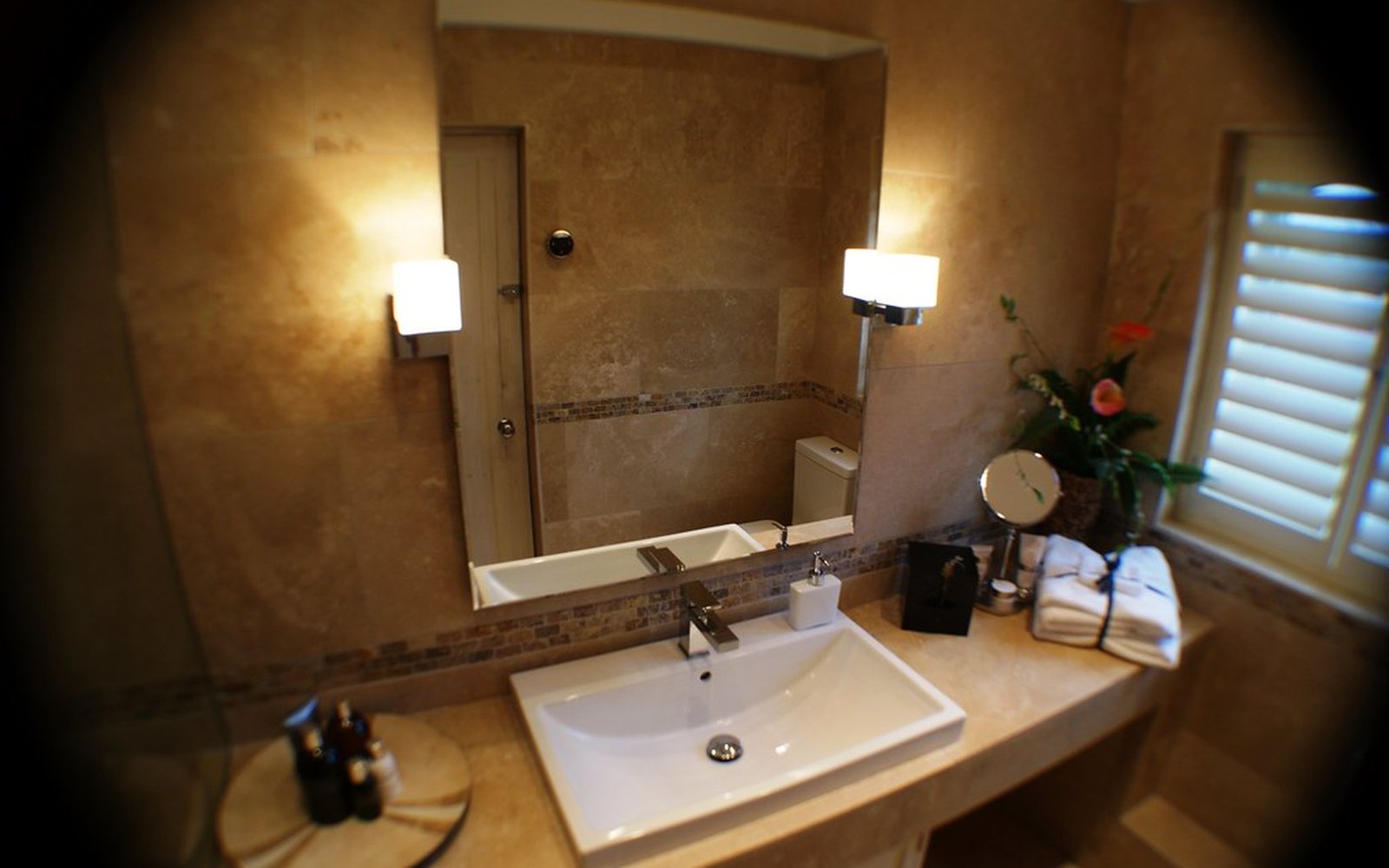
What buyers miss with LED strip light
The most expensive mistake is buying around one feature and ignoring the boring constraints. Check load rating, cable strain, ventilation, return window, replacement parts and the manual controls. If a device has to be hidden to look acceptable, it may not be the right product for a design-conscious room.
Another mistake is assuming automation is always safer. Automations can leave appliances on, confuse guests or hide a failing routine behind a cheerful app notification. Keep schedules conservative and make the off switch easy to find.
Do not let a discount rush the decision. Many poor purchases happen because the product is small and seems reversible. Small electrical products still shape the room: they occupy sockets, create cable routes, add heat, depend on cloud accounts and can become daily annoyances if the first placement was wrong.
Limits and electrician boundaries
This guide is buying advice, not electrical installation instruction. It does not cover consumer unit work, wall chasing, hidden cabling, permanent outdoor wiring, hardwired EV charging or any repair to damaged sockets. If the project touches fixed wiring, use a qualified electrician.
Also be careful with retailer claims. Compatibility badges can describe a protocol without guaranteeing every feature in every app. Safety marks can vary by region. Reviews can describe a different model number. The practical response is to verify the exact SKU before ordering.
For renters, the limit is even tighter. Keep the upgrade removable, avoid adhesive or drilled routes unless your agreement allows them, and make sure the product can be reset before you move. A good renter-friendly device should leave no mystery for the next person using the room.
Evidence, support and reference links
For this article, Watt Atelier prioritizes public specifications, retailer data, owner feedback, regional support, safety boundaries and long-term usability. Useful outside references for this topic include ENERGY STAR lighting Electrical Safety First home guidance. These sources are used as guardrails, not as a substitute for reading the product manual.
Affiliate links may appear after editorial checks are complete. Commission value does not decide whether a product is included. The first filter is whether the device fits the room, respects electrical limits and can be explained clearly to a normal household.
We also separate product advice from installation advice. Comparing a plug-in monitor, a smart bulb or a listed power strip is within the scope of a buying guide. Altering fixed wiring, adding outdoor permanent power or diagnosing repeated electrical faults is not.
Questions to answer before checkout
What should I check first? Photograph the exact location, measure clearance and read the rating label. If the product blocks another control or forces a cable into a sharp bend, it is already a weak fit.
Is the premium version always better? No. Premium is worthwhile when it improves build, support, quieter design, safer ratings or compatibility you will actually use. It is waste when it only adds scenes and badges.
Can renters use this advice? Yes, if the product is plug-in, removable and used within its rating. Renters should avoid anything that requires permanent wiring, wall modification or changes the landlord needs to approve.
When should I stop and ask a professional? Stop when there is heat, buzzing, scorching, recurrent tripping, damaged cable insulation, fixed wiring work or any uncertainty about load. A consumer smart product is not a repair tool.
Best Smart Lighting Setups for Design-Conscious Homes
Plan a room from lamps, switches and cable routes before buying devices. This guide shows how to combine bulbs, strips and sensors so the lighting feels calm, usable and easy to override.
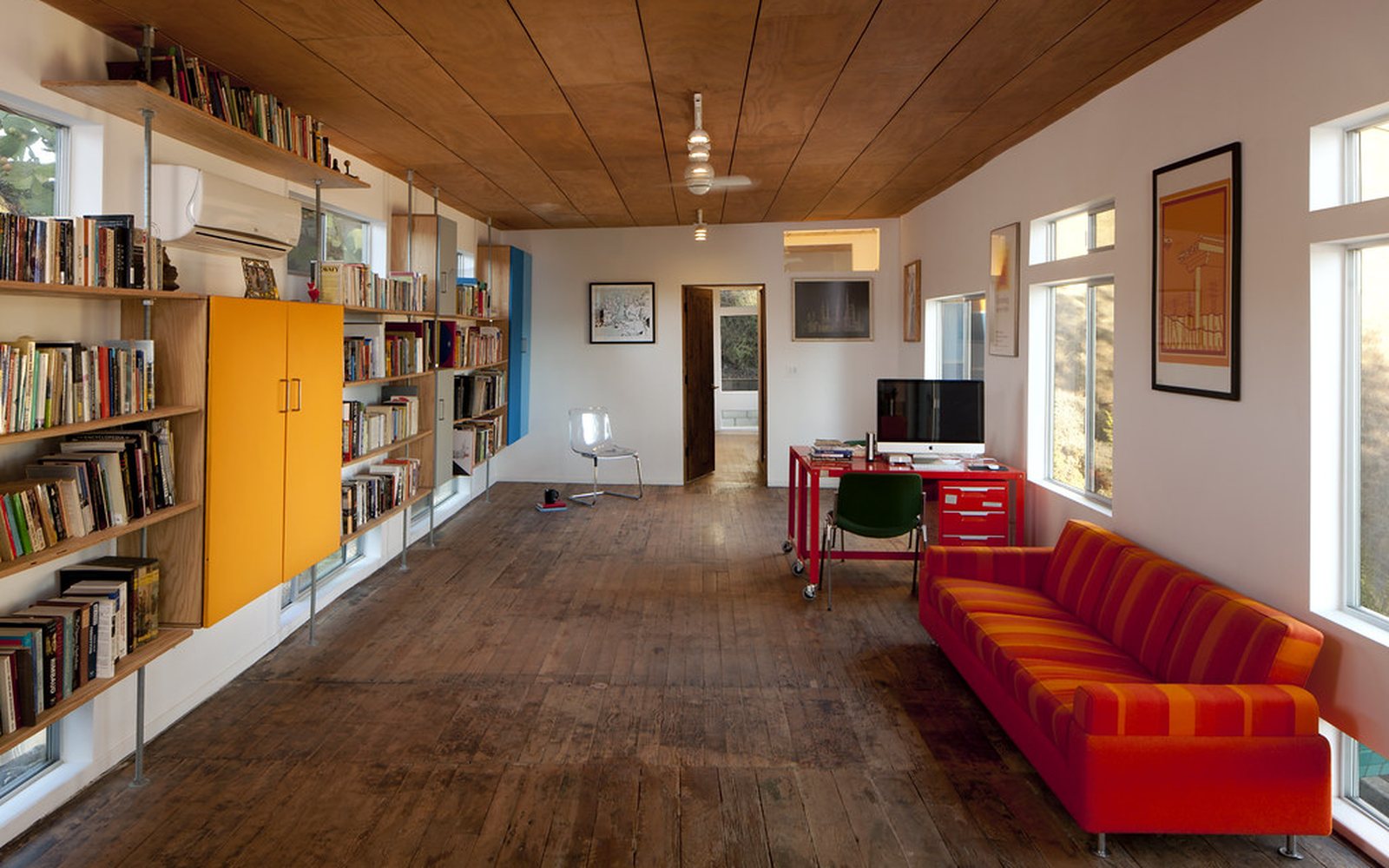
Best Smart Bulbs for Warm, Natural Evening Light
Choose bulbs for shade fit, dimming range and evening color before app extras. The right pick makes lamps warmer and easier to control without creating a cold, gadget-heavy room.

Best Motion Sensor Lights for Hallways, Closets, and Utility Spaces
Hallways and closets need sensors that see movement without glare or false shutoffs. Compare placement, beam spread and manual fallback before trusting a tiny battery light.

Philips Hue vs Nanoleaf vs Govee: Which Looks Better in Real Rooms?
Hue, Nanoleaf and Govee solve different room problems. This comparison focuses on finished-room appearance, control habits and when premium ecosystems beat cheaper strips or panels.